Give Me My (Free) Digital Manga!

Looking to read manga without going to the bookstore? Get your digital manga here! 

Provider Cost E-Reader Source Genre Notes
Comicloud.net/eng Purchase per manga Kindle, Google Play Directly from Japan, Korea Indie, bizarre, grotesque
CrunchyRoll.com and ComiPo! $6.95/month (limited access), $11.95/month (full access) Apple, Google Play Directly from Japan, international Indie, shonen, seinen Gift memberships: $34.95/3 months, $99.95/1 year
GENmanga.com $24/year Barnes & Noble, Amazon Directly from Japan Seinen, indie, manhwa
Inkblazers.com Free Apple International All, indie formerly Manga Magazine
en.MangaReborn.jp $10/1000 coins Directly from Japan Indie  Has a specific search engine for preferences
Weekly Shonen Jump (shonenjump.viz.com) $25/year Apple, Kobo, Nook, Kindle, Google Play Same day direct from Japan Shounen, seinen
ComiXology.com Purchase per manga, comic  Apple OEL manga, former Tokyopop titles Free comics available
SparklerMonthly.com(Serviced by Chromatic Press) $5/month  Depends on format (audio, visual)  From English-speaking creators OEL shoujo and josei manga, prose, and audio First chapters and prologues available for free

You can also check out some apps that give you free or cheap access to licensed and new manga.

Manga Box App – This English and Japanese app provides popular manga like Nisekoi and Kindaichi Case Files along with lesser known titles such as Spoof on Titan, Chubby Cinderella, and Shinjuku DxD. This app is a free download for Android and iPhone.

New Year, New Skills, New Profile Pic

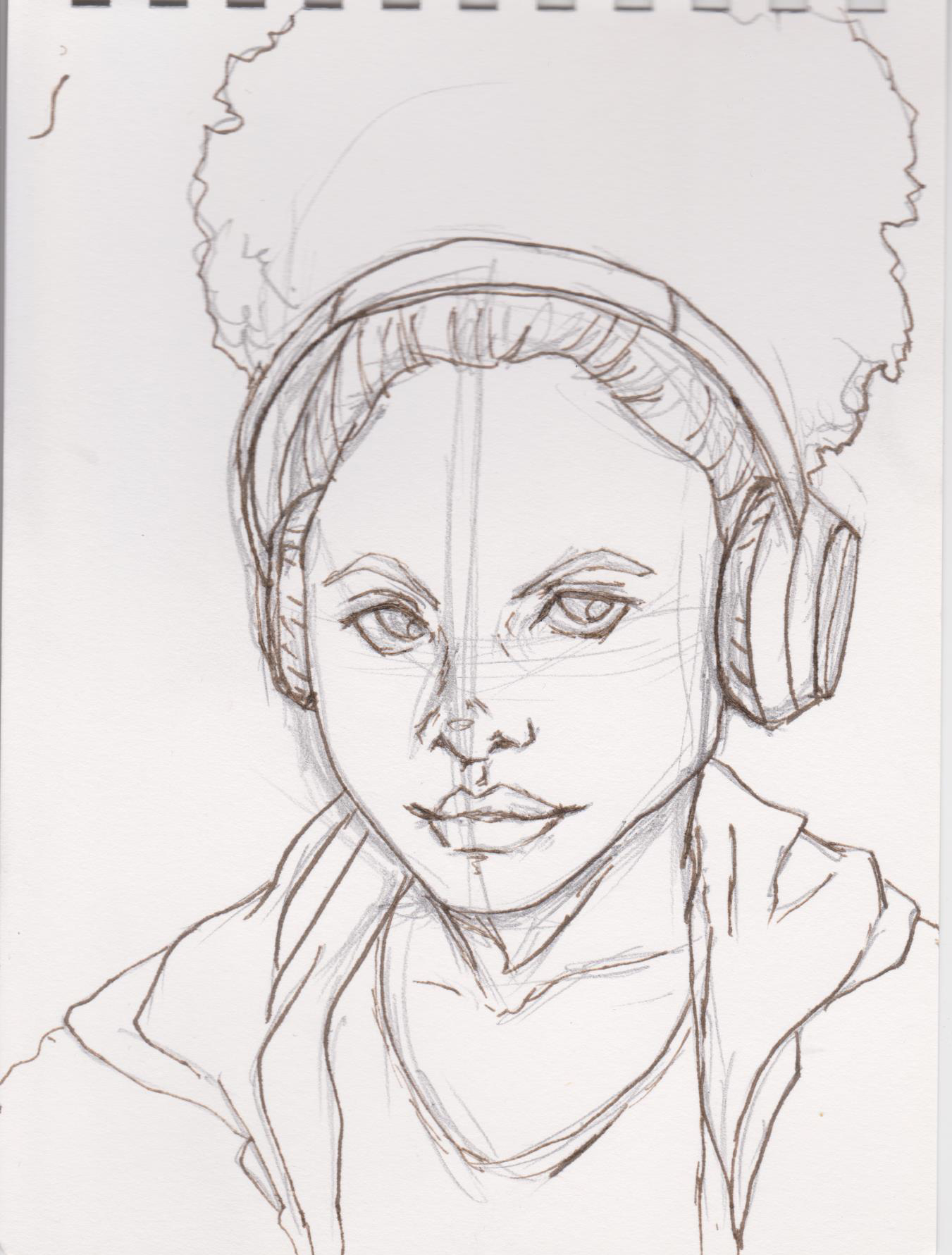
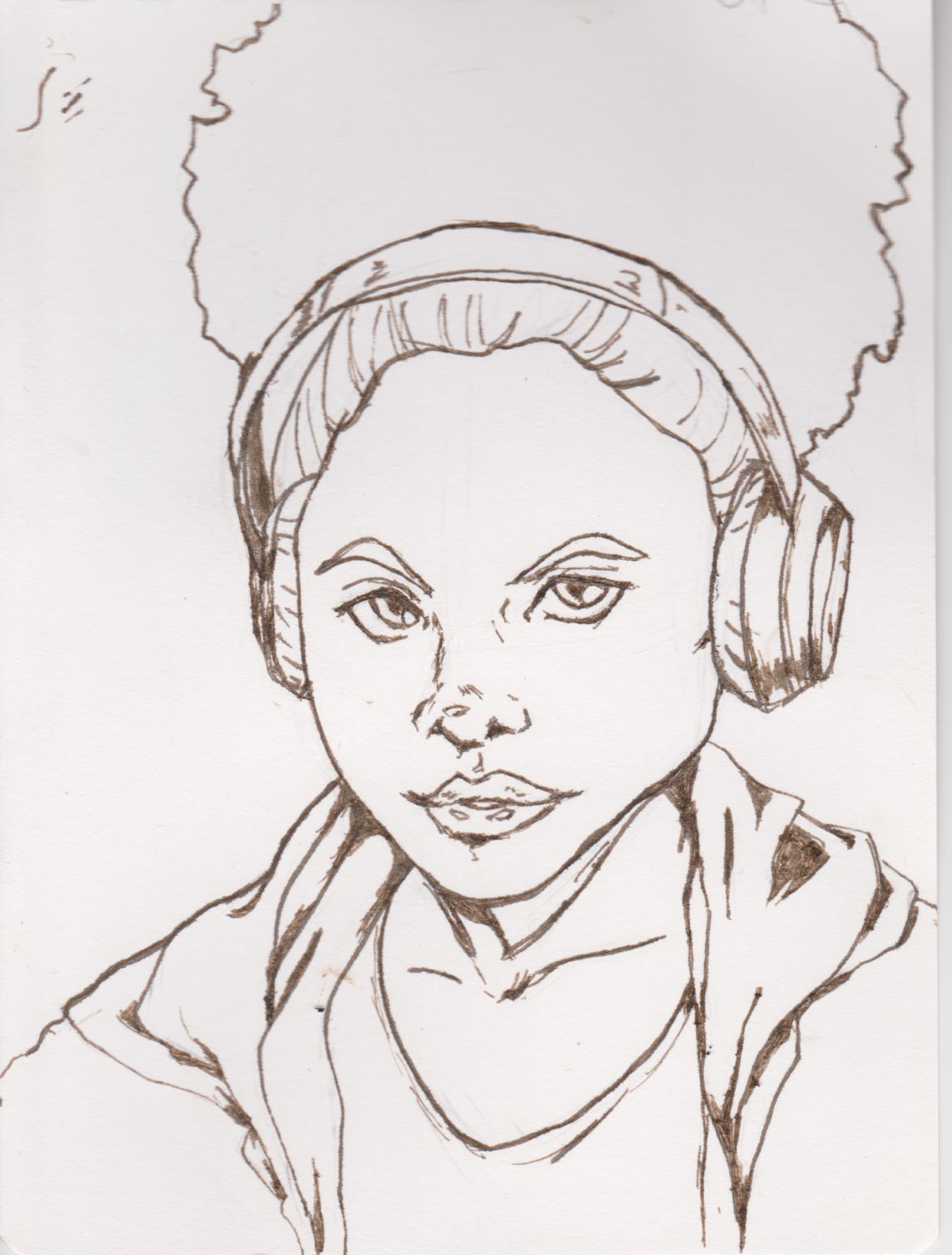
My husband showed me a tutorial on coloring images, and I decided to try it out since I’m trying to transition from traditional media to digital media.

ImageI sketched out a random picture of myself on a crummy piece of notebook paper (see edges). Then I used a sepia-colored School-G Tachikawa pen to outline it.

profile2 Cleaned up the pencil marks with a plastic eraser.

profile3Went over the outline with the same pen and darkened some areas.

profile4Put the file into Adobe Illustrator, traced it, and colored it with base colors.

profile6Took the image to Adobe Photoshop, made a transparent layer, used the “Lasso” to pick the highlights, and brushed and smudged the colors for the face.

profile7Finished my first Photoshop mini-project (and my new profile pic)!

You Can Make a Piñata in Japan!

I don’t like balloons. I loathe them. So what was I to do when websites kept saying, “Hey, you have to use a balloon”? Find another balloon-phobic soul with piñata-making skills on a budget!

I made my piñata, a beautiful and large Frankenstein head, with cardboard, tape, hot glue gun glue, and origami paper. If you go to Daiso, it’s around $5 of material. It’s the labor that sells a Halloween piñata for $17 (Oriental Trading). Took me a day to make!
For a step-by-step guide to make a cheap piñata, please go to http://keephomesimple.blogspot.jp/2013/02/how-to-make-homemade-pinata-for-under-5.html.

How Much of the Snake I’ve Eaten

In January, I posted my New Year’s resolution. Now, six months later, I’m doing a check-in.

Gotta get that fat outta here!!

#1: Losing weight: Drop 25 pounds.

In January and February, while my husband did a cleanse, I opted for only eating meat once a day. I don’t know if I dropped weight, but my clothes did fit differently–good for not exercising (my husband did, though). Just when we were going at a good pace, my husband hurt his back and the exercising (for him) and the non-meat meals stopped. It goes to show how much being in a relationship can affect your body.

Three weeks ago, I started doing Tae Bo again. It wasn’t as bad as I remembered (I did it last year for two months), but I decided to do cardio three times a week and strength training once a week. A week ago, I hurt my knee, so I’ll have to stick with strength training and minimum cardio. Injuries are the worst!

Plan: Do 30-45 minutes of exercise every other day. Two times a week include a strength training regiment (12 reps, 3 sets with weights), and work on abs every exercise day.

How to write “learn” in kanji

#2: Learn Japanese: Become a more fluent speaker.

I entered an international speech contest in Japanese, but I wasn’t picked. Maybe next year… Every day, I learn a new Japanese word (today’s word is 野良猫, noraneko, or “stray cat”) to build my vocabulary. I also write in a journal in Japanese, and some of my posts on this blog have a Japanese translation. So far, my reading comprehension has gotten easier as well as my kanji.

Plan for the rest of the year: Sign up for the JET Programme’s free advanced Japanese course and get ready for another speech contest (to get picked this time!).

#3: Save more money

I haven’t saved any money (according to my Mint account), but I have managed to slim our daily expenses. Instead of buying many snacks and going out to eat, we cook at home and avoid sugary products like cookies and fruit juices.

Plan: Send a set amount of money to my American bank account and not touch it except for emergencies and bills.

#4: Travel more.

Because of Item Number 3, traveling is out of the question. Sadness!

Once upon a time, there was a writer…

#5: Get to reading and writing!

I became a part of a creative writing circle. We get a prompt and two weeks to write something, then we post in on Google Plus. It’s very convenient because I never know how people will react to it. Also, it keeps me on my toes in keeping with deadlines!

Plan: Continue with the writing circle. Win at least one writing contest!

Links

  1. Scale: http://www.johnstonefitness.com/wp-content/uploads/2012/01/Weighing-Scales-1.jpg

  2. “Learn” kanji gif: http://nihongoichibandotcom.files.wordpress.com/2011/04/5b66.gif

  3. Piggy bank: http://sj.sunne.ws/files/2011/09/Piggy-Bank1.jpg

  4. Suitcase: http://henricodoctors.com/util/images/TravelMedicineSuitcase.jpg

  5. Books: https://jadesescape.com/wp-content/uploads/2013/01/books.jpg?w=257

Screentones for Manga Artists Outside of Japan

screentones_header

Screentones for Manga Artists Outside of Japan

“Where do you get screen tones if you’re outside of Japan?” 

If you want to make manga the traditional way by cutting screentones and applying them directly to your drawings, you can find some online, but they’ll be a bit pricey. It’s better to go to a Japanese district if you’re near one and find a bookstore. Otherwise, you can go online and order them.

If you’re more of a digital artist, you can use a computer program to make the screentones. The most common programs are Clip Studio Paint ($49.99) and Photoshop ($699). (If you go to an anime convention, you might see a booth selling Manga Studio with discounted versions available. If you don’t have this program and you’re on a time crunch, just download the trial versions.) You can also download  free screentone packs from other artists like the Screentone Society on Deviant ArtAshura’s Screentone Depot, OrneryJen’s screentone page, Psychobob’s screentones (password: psychobob), Shounen Ai Go’s screentones (old), or Jason Tucker’s “Screentones” page. The only bad side to using purely digital screentones in manga is that sometimes the tone looks too digital, too clean. Some ways to get around that is to scan a few physical screentones and use them when the manga looks off after toning.

Here’s a video on how to do digital screentoning on Photoshop (new and old versions of Photoshop are applicable):

If you want the best of both worlds–the traditional way of making manga with the digital ease–you can print screentones on transparent paper and apply them to the physical manga. You can also scan the physical screentone to your computer, define a block of it as a pattern in Photoshop, and use it (Edit>Fill>Pattern) after selecting the area you want toned.

If you’re skilled with a pen, you can also use carefully planned hatchbacking and pointillism, but it won’t look so professional (just more artsy).

Hope this helps with your manga dreams!

Also, please read former Prince of Tennis manga assistant Jamie Lynn Lano’s (http://www.jamieism.com) posts and theshazerin’s (http://theshazerin.deviantart.com/) post about manga supplies.

Need more inspiration? Check out these manga with Renta! that use many different screentones, but really pay attention to the softer tones!

Rentascreentones

Check out Renta! manga for screentone inspiration!

Bonus

If you don’t know how to apply traditional screentones to your manga, here’s a tutorial from Manga University.


If you’re looking for pens to ink your manga that will suit your budget, please read this post (Manga Pens for Manga Artists Outside Japan) comparing Japanese manga pens and their prices from online shops.

Calligraphy and Art (書道と美術)

Image

In black is the old way of writing. In red is what each kanji means.

In today’s class, everyone went to the calligraphy and art classrooms. There were many beautiful calligraphy and art pieces. Some of the art pieces were impressive, so I decided to take a picture of them. Later on, I’d like to try to make a bag calligraphy.

Image

日本語の日誌:

今日の授業に、みんなさんは書道教室と美術教室へ行きました。たくさんの美しな書道も芸術作品がありました。いくつかの芸術作品はとても印象的ですが、私はそれを写真することにしました。後で、鞄に書道を作りてみたいです。

If my Japanese is wrong, please correct me! I’m still learning!


スタジオジブリレイアウト展: Studio Ghibli’s Layout Exhibition

ImageToday, my husband and I went to the Studio Ghibli Layout Exhibition at the Okinawa Prefectural Art Museum. It was so interesting! Hayao Miyazaki made beautiful layouts.

Image

All of the works featured were from Studio Ghibli’s last fifty years. Works as early as Lupin the Third (1971) and Sherlock Hound (1984) stood among more modern works like Ponyo (2010) and Spirited Away (2001). Though exhibition showed many of Miyazaki’s works, other directors under Studio Ghibli also shared the spotlight. Studio Ghibli’s co-founder, Isao Takahata, showcased layouts from My Neighbors the Yamadas (ホーホケキョとなりの山田くん, 1999), Heidi Girl of the Alps (アルプスの少女ハイジ, 1974), and Grave of the Fireflies (火垂るの墓, 1988).

Image

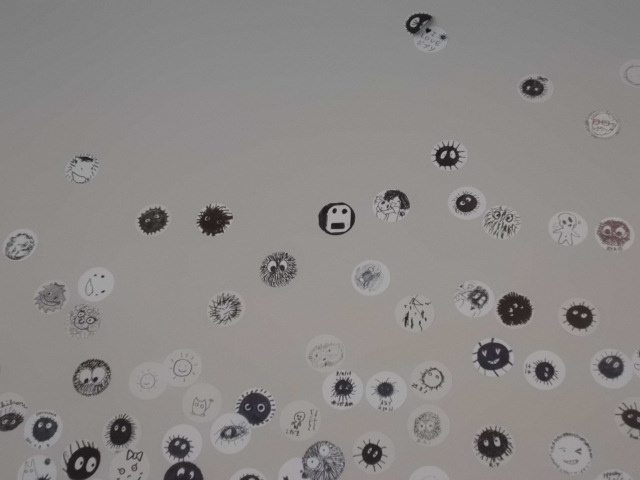
At the end of the exhibition, everyone could make a black-and-white drawing on a sticker and put it on a wall. There were hundreds of stickers on the wall! Image

The next Studio Ghibli animations set to come out this year are The Wind is Rising (風立ちぬ) and The Tale of Princess Kaguya (かぐや姫の物語).

Image

My husband’s Blubber Island face and me hugging the kodama from Princess Mononoke

日本語の練習 Diary

今日、夫さんと沖縄県立美術館のスタジオジブリレイアウト展へ行きました。面白かったです!宮﨑 駿さんは美しレイアウトを作りました。私達はスタジオじブリのルーピンやシャーロックハウンドやポニョや千と千尋の神隠しのレイアウトを見えました。去年、スタジオジブリのアニメはかぐや姫の物語や風立ちぬがあります。

Image

Picture of the new anime coming out this year (from Gigazine).

Time to Take a Bite Out of the Year of the Snake

Per New Year’s and weight gain, I made several resolutions to better my life. For 2013, I have a few, but I’m not just going to say what they are. Many people make that mistake. I want to avoid the talk and just get down to the core of the problem and how to realistically solve them.

Gotta get that fat outta here!!

#1: Lose weight.

Last year, I made this a goal, and in July, I could wear clothes that I hadn’t worn in two years because of my weight. By December, I regained most of the weight I lost five months ago. The most realistic approach to losing weight for me is not stressing out, getting enough sleep, eating more vegetables and fruits, and exercising.

My goal in losing weight this year is 25 pounds. Right now, I weigh 155 pounds–30 pounds over my high school weight–and I want to shed it. This fat represents the stress I’ve gone through since getting married, living in a foreign country without being fluent in the language, and becoming inactive in my local community. The fat needs to go.

My plan is to start with moderate cardiovascular exercises that I enjoy (basketball practice, dance, and jogs) and moderate strength-training regiments at home. I just have to watch my knees (two torn ACL injuries from ten years ago). Right now, my eating habits are OK, but they can be better. I’ll add more dairy products, fruits, and vegetables to my diet from now on.

How to write “learn” in kanji

#2: Learn Japanese.

I’ve come a long way since last year when I could vaguely understand what someone said in Japanese. Now, I’m on my way to becoming a more fluent listener. My goal this year is to become a more fluent speaker. It’s harder than it sounds because I have trouble with what I call the linkers, wa, ga, wo, and ni. I want to master them.

My plan is to study with a native speaker weekly and later take the lowest level of the Japanese Language Proficiency Test (JLPT). Right now, I have a book for passing the JLPT and I have several workbooks for learning the most basic kanji . In the meantime, I’m working on remembering my Japanese speech for a contest.

Bank on the Pig.

#3: Save more money.

That’s all. Just save more money. This past year, I was able to pay off just about all of my credit cards. Now I want to pay off one of two big debts and continue my savings plan for when I return to the U.S. One thing that has kept me in check is a financial planning website called Mint.com, which gives me a pie chart of all of my expenditures and keeps track of my financial goals.

Let’s get to packin’!

#4: Travel more.

My husband and I decided that in 2014, we’ll return the U.S. Before then, I’d like to visit some other nearby countries on holiday breaks. Of course, this could dig into Resolution #3, but we can definitely make it work without having to spend an arm and a leg. Flying between China and Japan starts around $150 dollars. For a new experience in a different land, I’m willing to pay for it.

Once upon a time, there was a writer…

#5: Get to reading and writing!

In August last year, I self-published The Ends Don’t Tie with Bunny Rabbits. Ever since then, I’ve gone on to do a free book-reviewing website by the same name and started to read indie authors’ books. I still have several books on my list, but I’d like to read up to 50 books in 2013. I only read 26 books in 2012 and 24 books in 2011.

With writing, I’d like to start this year with a great Korean comic review for the Manga Bookshelf column. I also want to finish writing another book and get it published this year. It’s possible to do all this if I use my time wisely. No more Youtube time wasters.

Links

1. Scale: http://www.johnstonefitness.com/wp-content/uploads/2012/01/Weighing-Scales-1.jpg

2. “Learn” kanji gif: http://nihongoichibandotcom.files.wordpress.com/2011/04/5b66.gif

3. Piggy bank: http://sj.sunne.ws/files/2011/09/Piggy-Bank1.jpg

4. Suitcase: http://henricodoctors.com/util/images/TravelMedicineSuitcase.jpg

5. Books: https://jadesescape.com/wp-content/uploads/2013/01/books.jpg?w=257

Snake Shoe of the Student Council President

He tapped me on the shoulder after class and pointed at his left loafer with a small smile. “It’s a snake,” the student council president at my Okinawan high school stated, the snake’s tongue slithering happily towards the concrete floor. Although I expected a joke or a chuckle to follow, the student council president ascended the stairs alongside me.

“Can I take a picture of it later?” I asked him, and the English teacher next to me asked him in Japanese. His smile widened, and he replied that it was OK.

Five minutes, I was taking this picture with my cell phone. Even his shoe snake smiled at me.

In my head, I thought, “You’d never see this kind of creativity and loafers on Western shoes.” Of course, there are spikes, but they’re a bit overdone. I’d take these shoes any day.

Life Study with Recycled Brown Paper

Since iHerb.com sent my order with brown paper for packaging, I decided to brush up on my drawing skills and pulled out my oil pastels. My husband edited his new book, Blubber Island, as I drew him, murmuring all the while,”No…” What do you think?

My First Bingata!

My first bingata!

Bingata is a traditional Okinawan dyed cloth made by using stencils and mixed dyes, and dates back to the Ryukyu Kingdom period. The dyeing process takes influence from Javanese, Indian, and Chinese dyeing.

It’s really fun to make, though it’s a bit time-consuming. When I went to do make this bingata bag, the art teacher at my school already finished putting on the stencil outline of different designs on the bags. The brown rice paste, which had hardened into a wax-like substance, held the design, so I didn’t feel weird about painting outside of the lines. I had a little bit of trouble understanding the process through a short Japanese lecture until she visually showed us.

The hardest part about coloring the bingata, especially for non-artists, is putting down the base layer. The base layer is the lightest layer, and if you put in a dark layer first, there is no way of lightening it. If you want a yellow flower with shading, you’d have to paint in the entire flower in yellow first. Once all of the colors have been painted in, the cloth is dried (we used a hair dryer). After drying the cloth, the second layer of painting is added, and it’s more time-consuming than the base layer. I used two different brushes, a regular painting brush and a flat short-bristle brush specifically for dyeing.

This second layer is fun to do, in my opinion. Using the regular brush, I put a dot of color and quickly rub the color in a circular pattern with the other brush. It’s easy to do, but if you have a lot to shade, it takes a little while. Good thing I picked such a small design! Some teachers had trouble doing this part because putting too much paint down wouldn’t shade in the design but completely cover it. Once all of the shades have been made, the design is ironed, and later, washed under cool water for 30 minutes. The rice paste comes off, revealing the actual design (normally flowers, birds, and animals).

It’s good for me to learn about processes like this because I can use these techniques in different mediums.

Japanese Writers

When I first became interested in Japan, I was only interested in Japanese animation and manga. It wasn’t until college that I decided to read Japanese authors to get a better perspective of Japan. Although I think that anime and manga are great ways to learn more about a culture, books have a unique way of presenting cultural information in a gentle manner; the reader gets to walk in the footsteps of a Japanese person, not just look at drawings of Japanese people. The thoughts and mannerisms of a Japanese are ingrained in the writing–if readers can read between the lines.

Haruki Murakami

Murakami is one of my favorite writers in general, let alone, Japanese writers. His works are very famous around the world, and almost every book I’ve read by him has amazed me. His most popular books include 1Q84, Norwegian Wood, and Kafka on the Shore. Each of his stories deal with the surreal, whether they encounter dreams, ghosts, or the character’s own tormented psyche.

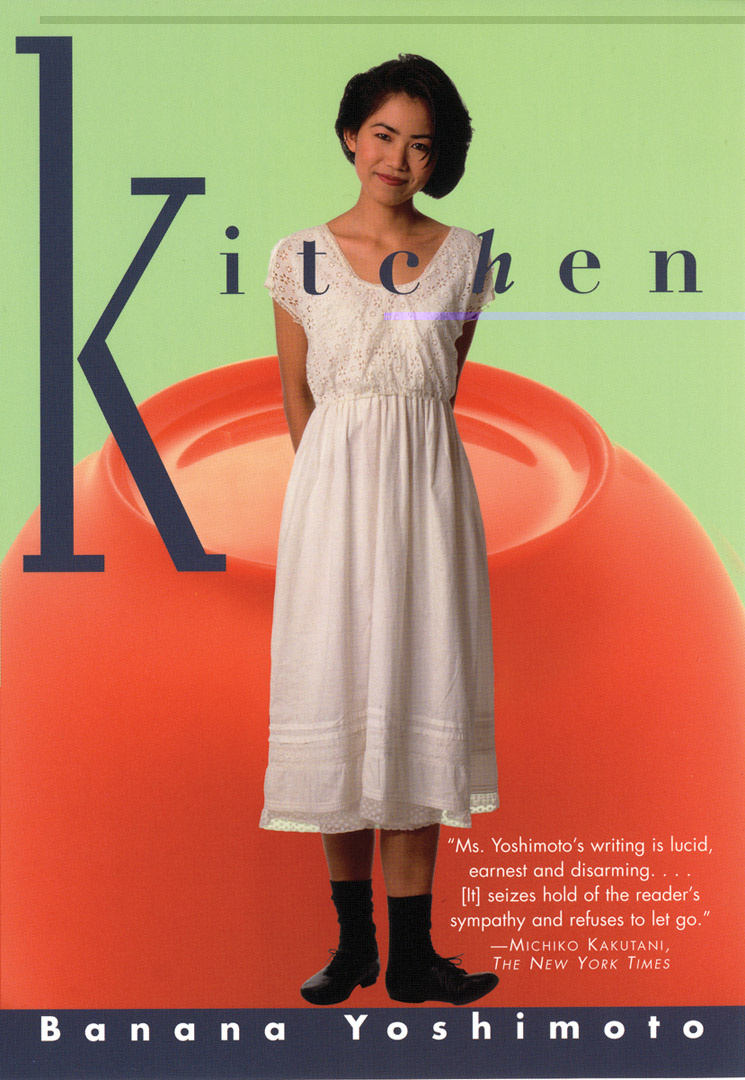
Banana Yoshimoto

Though I would say that Yoshimoto is a female version of Murakami, her works stand well on their own. She also writes surrealistic stories, such as n.p., Goodbye, Tsugumi, and Kitchen, but she focuses on a situation that leads the main character towards different relationships with people. What I like about Yoshimoto is that her work is really honest and straightforward, something that’s difficult to find in writers nowadays. Her work is easy to digest, but don’t be fooled. There’s always a deeper concept playing beneath the surface of her words.

Kenzaburo Oe

Nobel Prize winner, Kenzaburo Oe, is a well-known Japanese writer with many of his works translated around the world. A prolific writer with heavy themes, Oe captures the depth of human psychology while infusing existentialism into his stories. His works include A Quiet LifeThe Changeling, and A Personal Matter. Although his works are more difficult to read–his audience seems to be for people above a tenth-grade reading level–Oe’s works are worth reading, especially for readers looking to find the gritty side of the human soul.


Yukio Mishima

Though this writer, actor, poet, and film director was born in the early years of the 20th century, Mishima’s works still breathe of lives that face the same issues of loss, death, and reality. Similar to Oe’s dark-themed works, Mishima faces his readers with brutal honesty that isn’t easy to absorb sometimes. Still, his books like Death in Midsummer and The Sea of Fertility tetralogy are worthwhile reads.

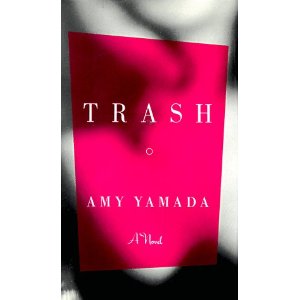
Amy Yamada

Although Amy Yamada isn’t so popular like Murakami or Yoshimoto, Yamada’s books are engaging and interesting. Her books, like  Trash and Bedtime Eyes, appeal to older women–many of her titles embraces life as a Japanese woman in the U.S. and the relationships she engages in. What I like about Yamada is her confidence in writing about gritty subjects, like sexuality, racism, alcoholism, and interracial coupling. She’s not shy about the reality of relationships, good or bad.

Yasutaka Tsutsui

Author of popular stories that spawned multiple anime and movie titles, Tsutsui’s books are more suited for the complicated teenage mind. It’s not the plot lines that I would suggest books like The Girl Who Leapt Through Time for the teen-book section. Simply, the English versions I’ve read are written at a fifth or sixth grade reading level with the same level substance. Like Murakami and Yoshimoto, many of Tsutsui’s books have a surreal quality, but more fantasy or science fiction is weaved into the stories. Unlike Murakami and Yoshimoto, who use simplistic vocabulary, Tsutsui hasn’t mastered how to create depth in the stories. As I mentioned before, I would only suggest Tsutsui’s books for complicated teenagers.

Anime and Manga is Funnier When You Get It

Since I was twelve years old, I enjoyed watching anime and reading manga. Fourteen years later, I still watch  anime and read manga, but now, I enjoy them in Japan–and they’ve taken a whole new dimension in my eyes. Anime and manga are actually funnier than I realized!

One series that has Japanese culture bombarding every page in big and small ways is Great Teacher Onizuka, or G.T.O. for short. Blow-up dolls, booty grabbers, and bad boys of Japan spring up in a rather simple premise. Among them are the comical antics of the main character, teacher-in-training Eikichi Onizuka. Somehow, the stupid yet charming things he manages to pull off in a rigid society like Japan makes me laugh.

What a bad Japanese application looks like.

What a bad Japanese application looks like.

In one part of the second volume, Onizuka submits his application for a teaching position at an academy. One look at it, and you’d think, “OK, here’s an honest applicant with zero experience.” It’s truthful, but what makes it funny is how some poor applicant in Japan will take this at face value and submit an application identical to this one. As tempting as it is to copy the anime or manga lifestyle, the sad reality is it’s not reality.

If you’re like me, and you’re inside the Japanese educational system, you’d probably change that line to, “This guy is a dumb-ass.” Everything is wrong with the application! You don’t write what you honestly think. Just write what the interview panel wants to read. You don’t put “my physical body” as a personal attribute. What does that have to do with teaching? And you definitely, under no circumstances, use a cute perikura picture for the required picture–it’s obviously not to size.

Aside from G.T.O., many series have cultural points laid out for foreign readers like the hierarchical system in addressing people (i.e. Tanaka-san, Tanaka-kun, Tanaka-chan) and references to Japanese history or pop culture. Some cultural points can’t be explained, but rather, seen firsthand. For example, seeing characters fall over suddenly when someone says something stupid or ridiculous seems to belong in anime and manga. The keel-over reaction is something I’ve seen at work in Japan again and again. Another piece of Japanese culture that most fans readily identify with is the panty vending machines. I’ve only seen one in a ladies’ changing room at a hot springs resort, but other than that, they don’t exist on every corner of Japan. Cigarette and soft drink vending machines can be seen every kilometer you go in Japan.

I started reading a manga called ARISA about a junior high school student by the same name with an outgoing personality. In the first read, I grasped the story and the characters, but in the second read, I noticed some mundane parts of the manga that are hilarious—that is, if you know the cultural significance of it. Arisa clobbers some boys for throwing a carton onto the ground, something that is illegal in many parts of Japan. I found myself encouraging the boys’ clobbering. “Get ‘em, Arisa! They didn’t recycle!” But only if you’ve lived in Japan could you find that funny while claiming a moral responsibility towards the situation.

Although there are some things that are pretty dead-on between Japanese animation and Japanese culture, the funniest part about it all relies on the cultural points—and how much you get them. Once I was able to understand the real situations from living in Japan, anime and manga took on a different significance.

Buying Anime Gifts on a Budget

‘Tis the season to be jolly–or to be more exact, to be mall-y. It’s the holiday season, and that means, buying gifts for friends and family. Unfortunately, if you’re still new to shopping for your anime-lover friend or brother or sister, the mall is the last place I would go to shop. Why? Because it’s expensive! Imagine paying $10–whole price–for a manga volume! Well, if you’re on a budget and paying that much for manga, anime, or Japan-related gifts isn’t something that’s on your Christmas list, I would heed a few points that I’ve learned from buying some great gifts.

Before you head out there, actually make a list of who you’re buying what for. If you make a list, you’re likely to stick with that list instead of buying impulsively and spending all of your money. Also, you should set a price limit as to what you want to buy for each person.

Now that you know more about what to do before shopping, on with the tips!

1. If you have time, go online. There are a lot of websites out there that offer deals just for buying merchandise from them. Websites like rightstuf.com and jlist.com offer savings on anime, manga, apparel, and Japan-related items. And before you decide to roam their pages, sign up for an account with them. You can get additional deals just for making a new account. Re-sell sites, like ebay.com and half.com, offer new manga and anime for cheaper prices outside of regular retailer websites. For instance, you could buy a Bakuman Volume 1 manga for less than $3 on half.com, versus getting it at $7.49 (rightstuf.com) or $9.99 (retailer). The only thing about shopping online is making sure the shipping fee is reasonable, if any, and that the package will arrive on time.

If you’re worried about receiving the gift by Christmas, I would suggest getting a gift certificate. If the gift certificates are still shipped, the shipping fees are really low and it’s more likely to arrive on time because it’s not a box. On some websites, gift certificates aren’t sent out, like on jlist.com. They are sent to the purchaser via email, and all you have to do is print it out (on nice paper, I hope!) and wrap it like a Christmas gift. It takes the hassle out of buying a specific gift for your anime friend and they’ll appreciate not having to return an item they don’t like.

If you live outside of the United States, bookdepository.com offers free shipping to all countries.

2. If you have time and got a dime, get in line. If you already booked yourself to go to a convention, make sure to remember your anime friends and family. For a list of your local anime convention, check out http://animecons.com/events/. If you’re one of those people who don’t go to anime conventions, there’s always the option of going to your local comic book retailer (not a mall one, hopefully), and having them order the manga or anime, if it’s not available in the store. Normally, there isn’t an extra charge for ordering, but sometimes, a deposit of the item’s price will be asked, so come with some cash. In some towns and cities, there are also manga and anime stores. Although they don’t have as many deals as online websites, if you’ve signed up for a point card, you can earn some much-needed points on your Christmas purchases.

3. No dime, no time, draw a line. If you don’t have money but you have some artistic skills, like drawing, painting, or even using Adobe Illustrator, make them a gift. You can personalize it to your choice, and it’s something original for your friend or family to keep. If it’s drawing or computer-generated images, just make sure to frame the piece or put it in a plastic sleeve like the ones used for American comic books (any comic book retailer can sell it to you for less than $1 each).  If you have left over clay or plaster, sculpt a figurine of their favorite anime character, use acrylic paint to color it, and let it dry. Presto! You have a gift that didn’t take hours to construct and zero dollars to make.