Typhoon Cuisine: Mmmm, Poisonous!

My husband and I took a spontaneous trip to a nearby beach a day after the type 4 (out of 5) typhoon. As we walked through the debris of trees from the night before, we found a few dead fish on the shoreline. One was a small flounder fish, but one fish was blue with spots. “It’s a pufferfish!” my husband exclaimed upon closer inspection.

Pufferfish, or fugu, is notorious in Japanese cuisine for its poison. Chefs take around 7 years to learn how to properly remove the poisonous parts of the fish without contaminating the meat. It’s normally served as sashimi (raw fish) or chirinabe. The liver, which is where the poison exists, was banned from being served in restaurants in Japan in 1984.

Fugu fish

Live fugu fish


10 Things to Learn from Living in Japan

Being an English teacher in Japan, I’ve learned a few things from living in the Land of the Rising Sun that you can’t learn from Japanese anime, manga, or video games.

1. The students and people aren’t like the characters from anime, manga, and video games. You won’t see anyone carrying a samurai sword or wearing ninja costumes randomly on the streets. It’s more likely you’ll see a non-Japanese person wear these things than a Japanese person.

Tiny White Fish

Tiny White Fish (from "A box of kitchen" blog)

2. Watch out what you eat! If you are allergic to anything or you specifically can’t eat anything, you’ll have to state it before they give it to you, or come prepared. My husband hates these tiny white fishes that have black eyes. They don’t have tails when you eat them, so they look like worms. He absolutely can’t eat them, and when he finds that his rice and soup is mixed with them, he can’t eat it. My thing, like many non-Japanese people, is natto, which is a type of sticky bean produced opposite of miso. Either way, just be prepared to eat some unusual meals!

3. Don’t be a vegan and come to Japan. Many teachers I’ve met who are vegan have it hard in Japan. In general, Japanese food is loaded with veggies, but they also coat things in some type of animal-derived sauce or soup. Miso soup, for instance, is from a bean paste, but it uses a type of pork stock. In Okinawa, it’s especially hard to be a vegan because the diet has influences from China, Korea, and the United States, so instead of the conventional boiled egg, the egg will have a ball of meat in the middle and coated to be fried.

4. English classics are easy to find. If you’re looking for some English literature, like Uncle Tom’s Cabin, How to Kill a Mockingbird, and books of those caliber, you can find them at the local bookstores. Most likely, they’ll be a bilingual edition or have complicated English words translated into Japanese. A lot of the time, these bilingual editions are for students wanting to study for their eiken exams or college entrance exams, but you can utilize them just for some leisurely reading.

5. Make friends with people in military places. There are things that you’ll miss from your home country, and the best place to get them without paying an arm and a leg through Amazon or eBay is at the military base. Some military folks are just so happy to see another non-Japanese person, they’ll befriend you rather easily and allow you to go onto base with them. Of course, this mostly applies to people in Okinawa where military bases are as common as sushi restaurants, but if you happen to come across someone in mainland Japan, utilize that resource!

6. If you’re going to stay in Japan for a while, learn some Japanese before you get to Japan. If you’re in your home country and you can learn Japanese, take advantage of it. Getting a Japanese tutor or taking JSL, or Japanese as a Second Language, courses can get expensive and time-consuming. Plus, in your home country, learning Japanese can be more comfortable in your usual atmosphere than in a foreign one. This is one of my pet peeves, since many teachers from the JET Programme are sent Japanese books to self-study before arriving in Japan. However useful these books are, most JET teachers don’t even study them, yet, they complain about not being able to understand anything. Even knowing things like “My name is…” and “Please wait” are extremely helpful to both you and the Japanese folks you’re communicating with. Let’s avoid the frustration and crack open the books!

7. Presentation, plastic, and packaging will be everywhere. In Japan, a lot of things are based off of presentation. For example, burgers at McDonald’s actually look like the pictures that are advertised. Part of looking good is the packaging. And within the packaging is the plastic. You’ll find that even cookies will be individually wrapped. Sometimes, things like onigiri, or a rice ball, will have arrows showing how to unwrap it. It’s amazing at first–everything is because you’re in Japan!–but after a while, it’s like, “Oh, it’s individually wrapped…again.” Shrink wrap should just be for CDs.

8. Though there are anime and manga advocating giant robots and mecha, Japan isn’t as technologically-advanced as everyone thinks. Sure, there are hyper-fast bullet trains, and yes, the cell phones are practically hand-held computers now. But just because there are more gadgets doesn’t mean that there are cars or cell phones ready to transform into some type of freedom fighter.

9. Respect for the environment beats out any green movement. For the 1964 Summer Olympics, Japan built a stadium in Tokyo. For every tree that was displaced by the building, a tree was planted somewhere else. Even things like trash day is a way to preserve the environment. Cans, bottles, and newspapers are separated. Even milk cartons are unfolded and recycled. Schools reuse copier paper packages for re-packaging leftover school milks. Tissue boxes are converted into sanitary napkin holders. Everything has the ability to be reused or recycled in Japan, so be weary of just throwing things out. They still have life!

Pedestrian Light10. Everyone follows the rules. When the pedestrian light turns red, people don’t cross–even if there are no cars and the distance to the other side is merely a few steps away. Of course, there are a few stranglers who influence the others, but mostly, everyone follows the rules and stays put.

Art Helps More than Science

I graduated school as a double-major in art and sports medicine. Even though I spent most of my time doing my science work while art took a backseat, I don’t use science in the real world. As an English teacher, I don’t even need science-but I use my art training every day.
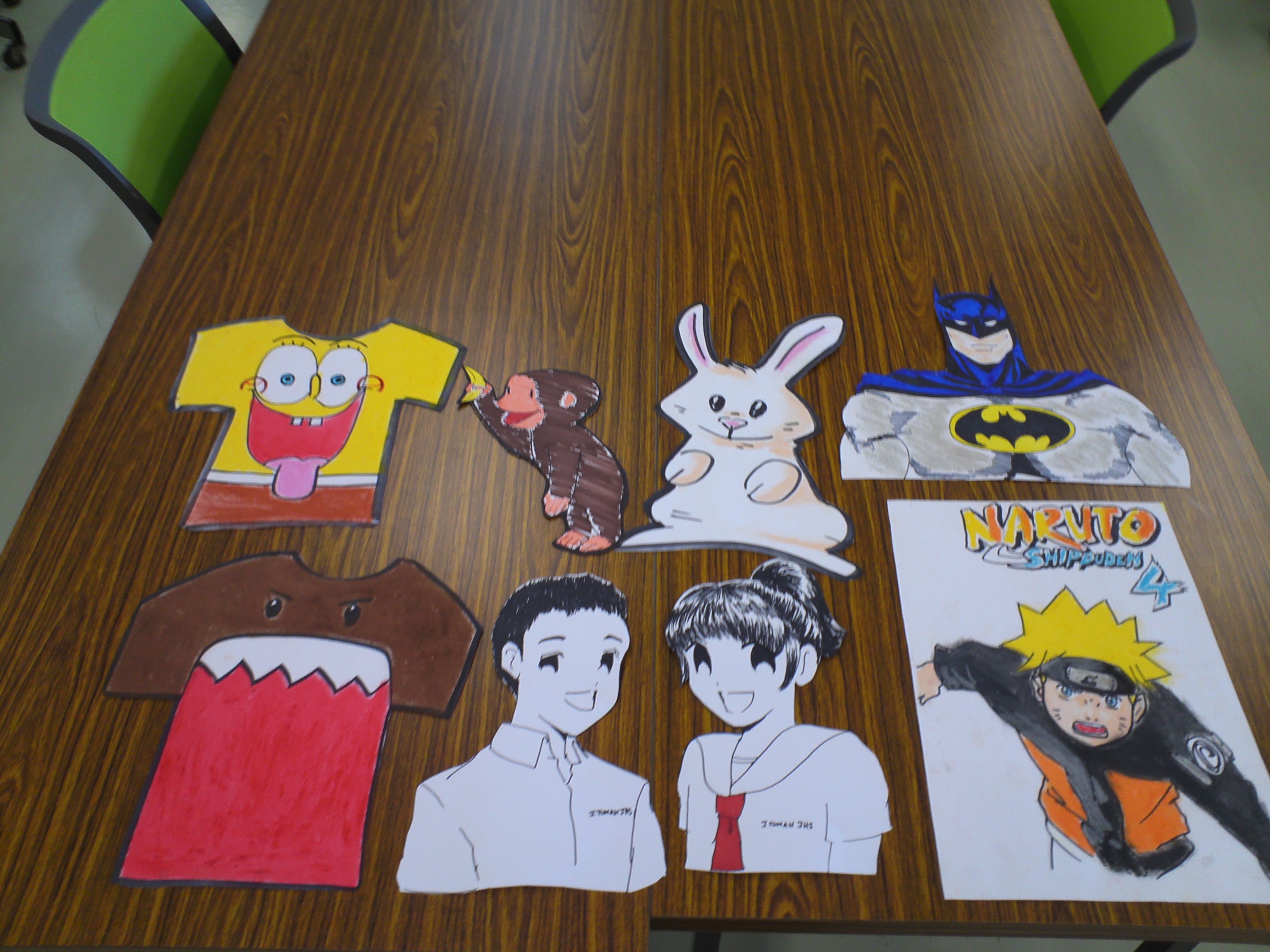
It’s not the ability to draw, as shown below, that makes art an asset in my life. Art goes beyond skill and touches the mind or the heart. In the mind, you learn how to create, dismantle, and improve all aspects of creativity within nature. It doesn’t have to be drawing, painting or sculpting, because creativity and creation don’t come from those skills. They’re a result, a way to combine two ideas together.
I use this kind of creativity to include culture and art into the lessons I help teach in Japan. The visual element peaks students’ interest and the characters become a reference point for students.
The images below are pieces I drew for one lesson, but I ended up drawing four more images for another lesson. “Are you a rabbit?”
“No, I am not.”
Being able to use art to teach “Are you…” makes me happy that I majored in something other than science.

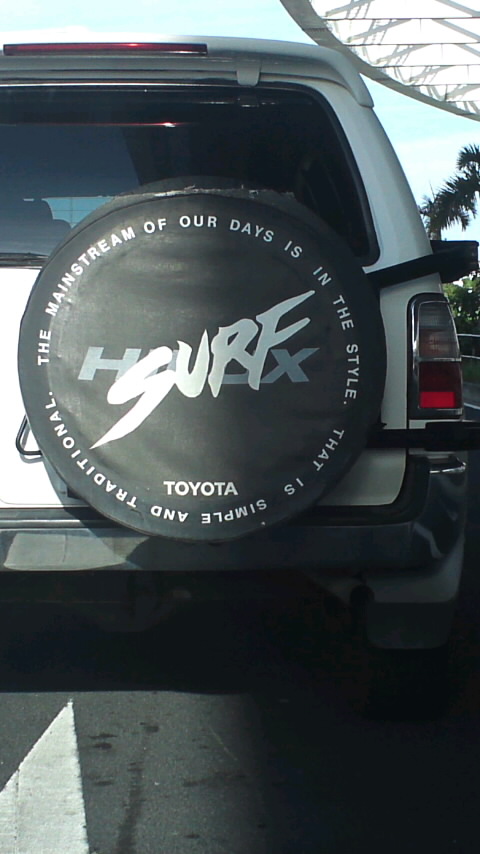
Engrish: Toyota Car

YOU’VE GOTTA LOVE ENGRISH.
In Japan, there’s a lot of products that have English, but it’s terribly wrong or incoherent. (The Western equivalent is getting incorrect kanji tattoed on the skin.)
Still, I, like my husband and the people running http://www.engrish.com, love to read Engrish. Here is a Toyota with an Engrish statement. I caught this on my way home.

Jd by the Shore

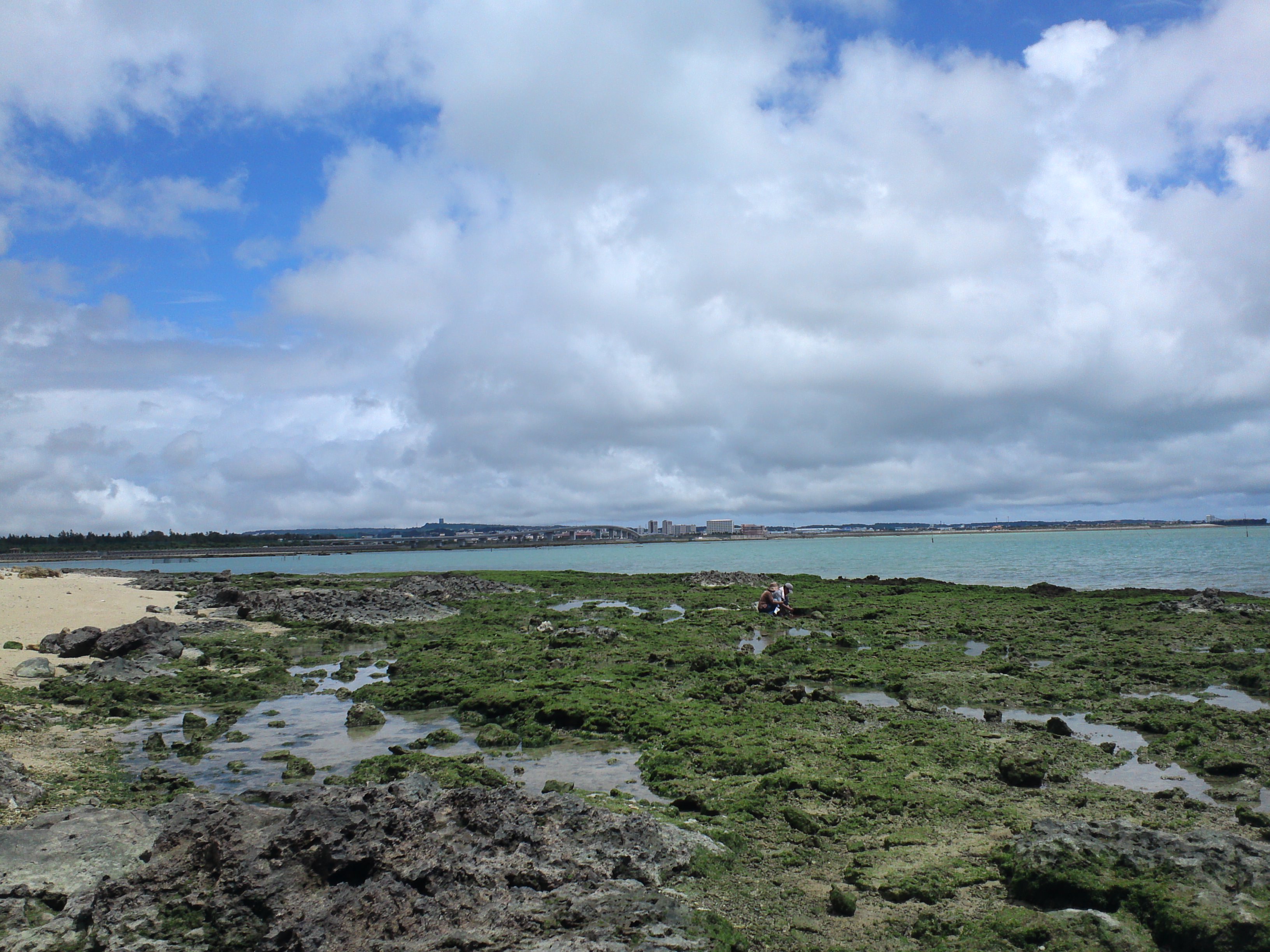
The green on the rocks are algae.

Ok, so no, I didn’t go to enter some odd-ball place opened by a big rock like in Murakami’s Kafka by the Shore, but my husband and I went for a spontaneous drive around Senaga Island. It’s really beautiful with ocean water surrounding the small island. Many locals visit just to look out at the sea.
In the distance lies the city of Itoman. It’s funny how in Japan, you can find a sprawling area of apartments and concrete buildings then look over and find a gorgeous view of the ocean. When you’re able to see this every day, the United States seems like it’s behind. Japan makes it easy to integrate nature and man-made structures, creating a harmonious atmosphere with the natural world. I wish that the United States could learn that co-existing, not crushing, what is natural–whether it’s the sea, the forests, or the people–can be a beautiful thing, like sitting on the edge of this shore.

There’s Strange Kamaboko in the Window!

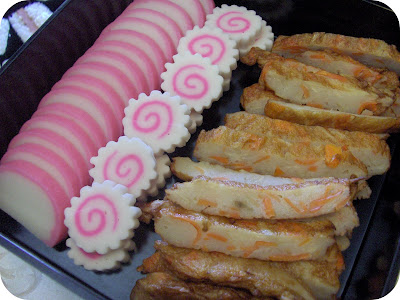
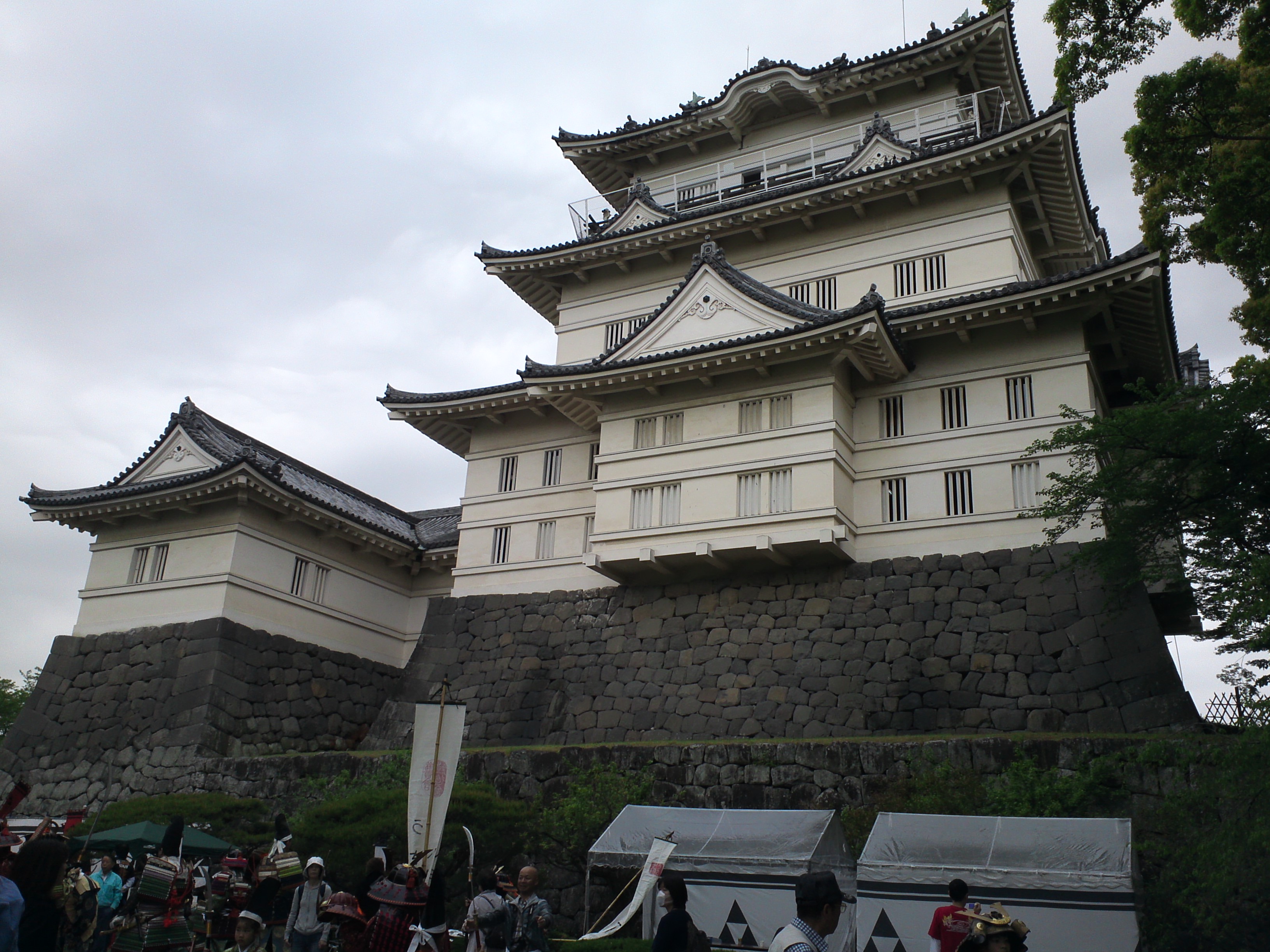
In Odawara, there’s tons of shops with their signature kamaboko (かまぼこ), or fish cake. If you’ve ever eaten or seen naruto (not the blond heathen from the series) in real ramen dishes, kamaboko has a similar texture and taste. A real fishy taste, like a sweetened fish was added to its smooth but firm existence. Most of the time, kamaboko is the half the shape of a circle with a pink outer layer and a white inner layer. When I showed this image to my co-workers, they were impressed to see the various shapes and colors of these kamaboko.

The Usual Kamaboko

The usual kamaboko with naruto (Picture from zakkalife.blogspot.com)


Spring has Come, and so has Allergies

I don’t have allergies, but my husband does, so this year, when I thought he would be the only one sneezing and hacking, I found myself having allergies as well. What the heck, Spring?
Recently, we found out that we weren’t the only sniffling sneezers around. Every minute, we could hear another tenant in our sea-breezed apartment either sneeze or cough. Even with a nice ocean breeze, we all have bad allergies, even people who don’t get allergies. What the heck, Spring?
It turns out that this year is the worst year of allergies. With the rise of global warming, winters become shorter and springs get longer, so flowers produce more pollen earlier. The pollen and increased heat from global warming combined can cause any non-allergic people to start sneezing.
The best way to overcome allergies is to use an AC in your home, drink a lot of water, wear cold masks, and if needed, take an allergy-fighting medicine (beware of medicines that cause drowsiness). If your eyes swell or become itchy, using a piece of ice wrapped in a paper towel or refrigerated teabags can reduced the swelling and redness. For the nose, put some lotion or moisturizer on it to keep it from drying out and becoming painful. And, in all cases, keep boxes of tissues nearby. It’ll come in handy!

Walking in the Expensive Streets of Ginza

In Ginza, we could walk and sit in the middle of the streets between 8am to 8pm. Expensive stores like Gucci lined the streets. It felt like we crossed into some fairy land with the starting prices was 5000.

Mixed Up at Dinner in Odawara

I’ve noticed that many food menus in Japan,especially bars or drinking places, don’t stick strictly to Japanese food or Asian food in general. You might find french fries (フライドポタト – fried potato) right next to the gyoza. Either way, you should try it!

Eating Okonomiyaki in Ginza

My friends took us to Ginza to eat okonomiyaki, a kind of Japanese pancake or pizza. “Okonomi” means “favorites” (but not to be confused with “My favorite thing is…” in usage) and “yaki” means “baked” or “grilled”. It has so many ingredients in it, like noodles, cabbage, Japanese herbs, and shrimp, depending on the type you order. We ate the Osaka-style okonomiyaki, which is different from Hiroshimo-style okonomiyaki. It was delicious, but the best part was when the waiter put the mayonaise on every okonomiyaki we ordered. It was such a showmanship of skill, I had to share it!

Getting a Physical Exam in Okinawa

My husband got a job in economy-stricken Okinawa, and ironically, getting the job was the easiest. It took him literally 24 hours from hearing about the job to getting the application to going to the interview to getting the job. Along with the acceptance, they asked for a kenko shindan (けんこしんだん) or a physical exam before processing him for an education visa.
The recommendation that my coworker gave me was the Adventist Medical Center because they have an English speaking staff. But we got SUPER lost-maybe for 2 hours-before we found the place. It’s in instances like this where I wish Japan had street names and Google might actually work.
To find places, you normally have to find landmarks and big intersections. The worst part is when you get lost. The streets don’t circle back so you further get lost. Plus, getting directions over the phone is a bit difficult unless they know the area well. All in all, you can’t blame anyone if you get lost. Why? Because they don’t have street names.

White Day

Inspite of the earthquakes destruction, some Japanese folks can still try to enjoy a social holiday called White Day.
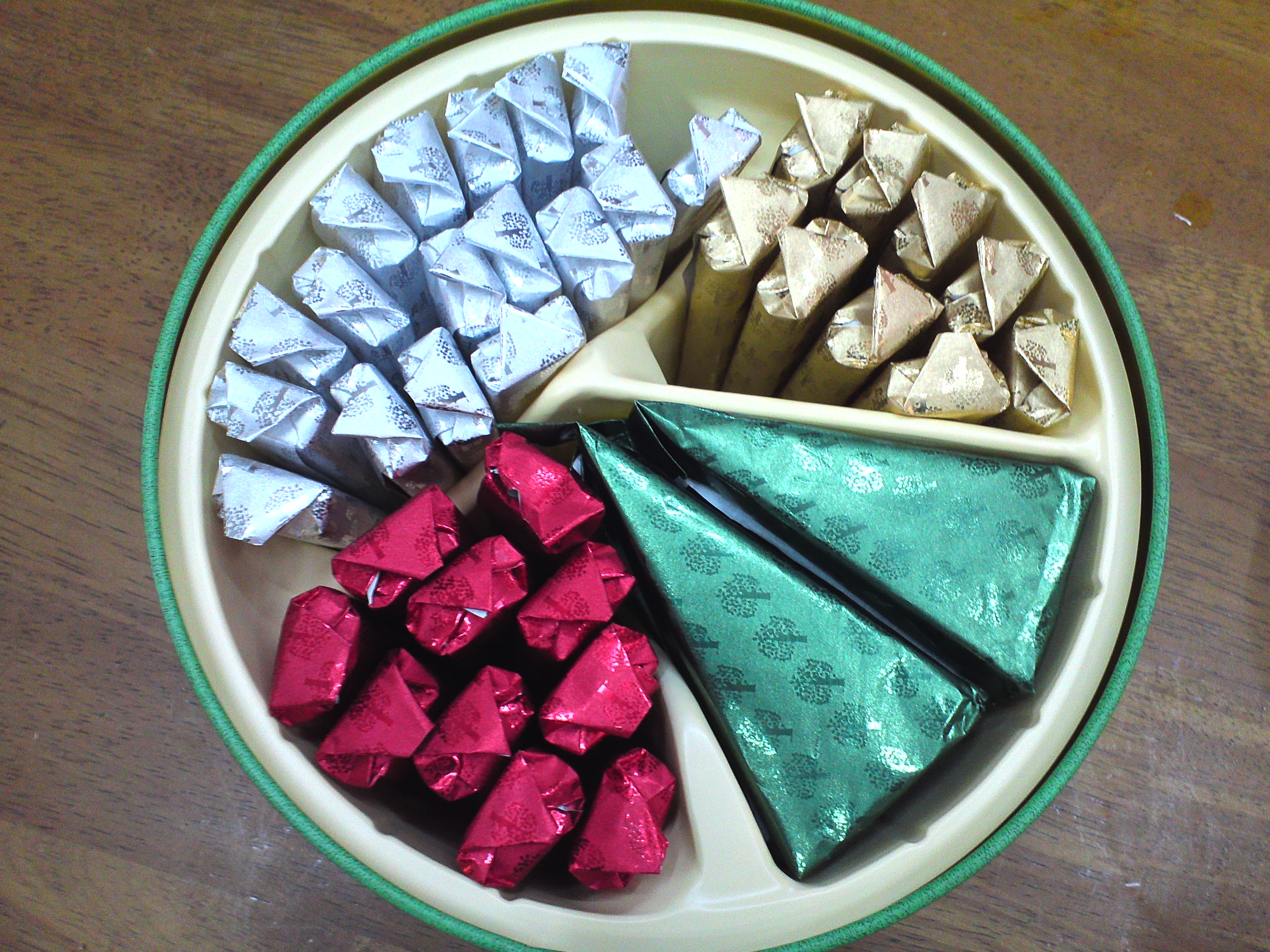
On March 14th, boys give girls chocolates and sweets. This holiday isn’t as popular in anime as Valentine’s Day, where girls give boys chocolate. Still, I enjoyed the cakes the men at my school pitched in to buy for the women.

Warning, Foreigners! There’s a Tsunami!

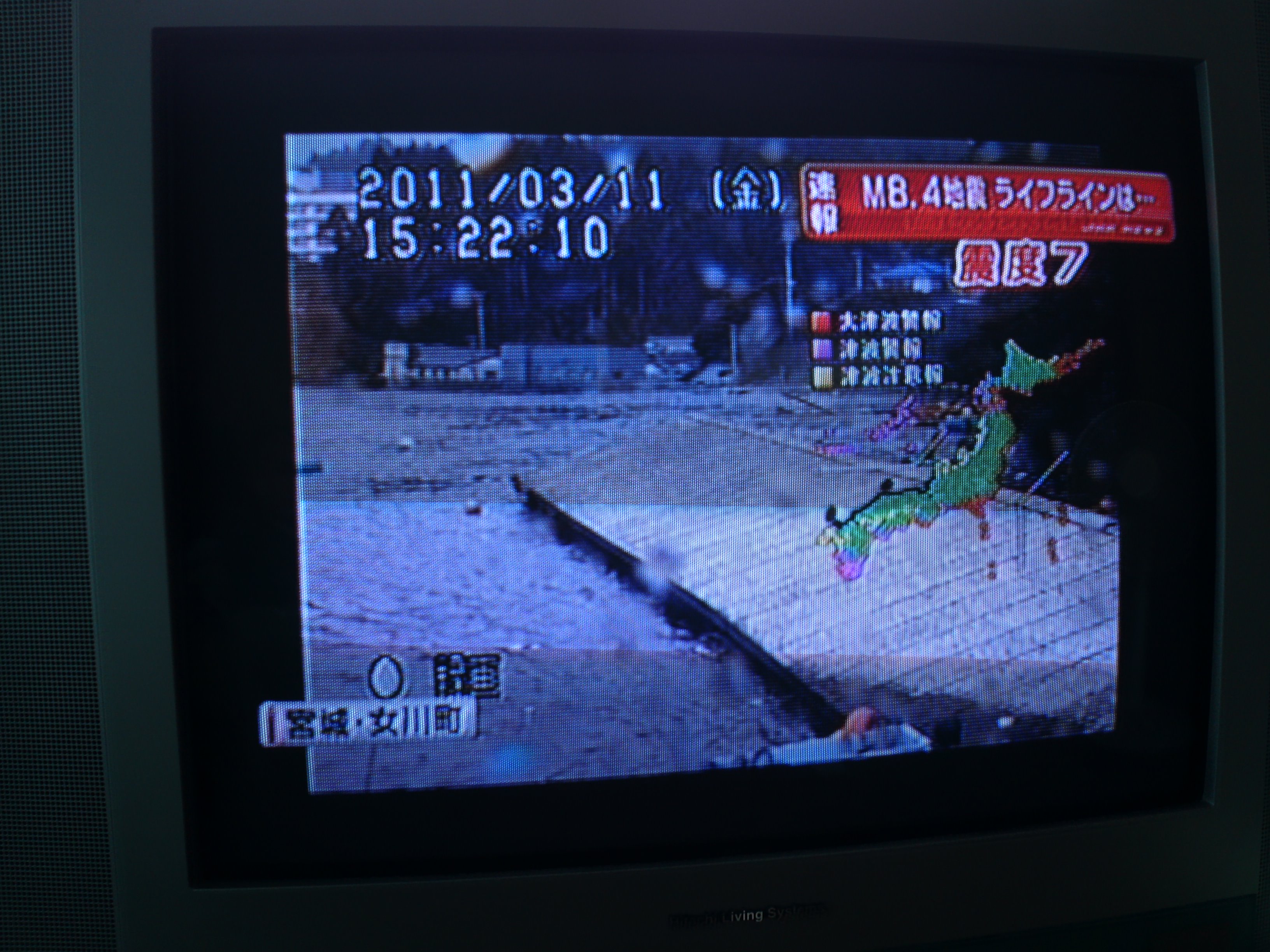
Footage from Japanese TV at 4:42 PM, March 11th.

I didn’t realize an earthquake had ripped through the northeastern side of Japan until I watched ten minutes of Japanese news. I had just come out of the toilet and immediately noticed all of the education office staff clustered around the tiny television.

I watched in horror as cars were swept over bays and under bridges in Miyagi like they were bottles of plastic. We watched, my Japanese co-workers commenting their disbelief and shock in their native tongue. The image of Japan that showed the dangerous parts of the country were color-coded. Okinawa, a small pack of islands at the very south end of Japan, suddenly changed color, and within five minutes, everyone abandoned the blaring television.

I asked my coordinator what was wrong and why the water in the footage was reaping such destruction. “There was an earthquake on mainland Japan,” he told me calmly. “Now, there is a tsunami.”

I followed him and everyone else back to the staff room. I didn’t know there was an earthquake, and none of us would’ve known if it weren’t for the news. Being at the southern tip of Japan put us the farthest away from the epicenter, and we didn’t feel anything, not even aftershocks of the earthquake. Soon, everyone had made a list of the surrounding districts and the outer island schools. Though Okinawa is one big island, there are multitudes of outer islands, or islands that are separated from the main part of Okinawa. If Lost were a deserted island, Okinawa had many Lost-like brothers and sisters except they were inhabited by the local Okinawan people. Unfortunately, these islands were the most susceptible to floods and property damage, even to one meter of water.

My co-workers quickly phoned schools and district offices, telling them the latest news on the tsunami and asking if they were ok. Once a plan was situated, co-workers marked off each school and office contacted while others double-checked the conditions on the internet.

I didn’t know what to do. I had never been in a tsunami. Being from San Diego, California, the most I’ve endured besides the desert heat was a mild earthquake or two. However, watching everyone spring into action and some co-workers hurriedly leave for their homes, I worried. My husband, who came to Okinawa a week before, was at home, most likely without a clue about what was happening because he didn’t speak Japanese nor watched Japanese television. He also had no cell phone or home phone, so my worry increased. My supervisor looked at me, saw the worried expression, and told me to go home.

“Go to higher ground around 5:00 PM,” he warned before instructing me of places I could go. “It should hit around 5:40 PM today.” I left and drove, worriedly, towards my home. When I entered, I found my husband airing out the laundry. I quoted my coordinator and started packing an emergency bag. My husband was calm the whole time, even joking around about surfing on the water (because he is a surfer).

Around 5:00 PM, I phoned my friend on the mainland. Her phone was busy, as was many Japanese phones that day. I phoned another teacher who was from Florida. “Ah, I think I’m going to go out for a run,” he declared, upbeat and unperturbed by the news. “I’m closer to the coast anyways, so if I see anything, I’ll phone you. But I don’t think you’ll have to move.” So, since he just transferred from Yamanashi and been through several earthquakes, tsunamis, and typhoons in the last three years, I decided to trust his words.

My husband and I stayed home, and when he began to worry over the footage of cars bobbing in the Japanese bays and fires in the cities, we switched it off. I know it seems really strange to try to calm down, but we ended up watching random things online until 10:00 PM. Still, when we went to bed, the emergency bag sat the door in case we really needed to use it.

End of the School Year – Japanese Style!

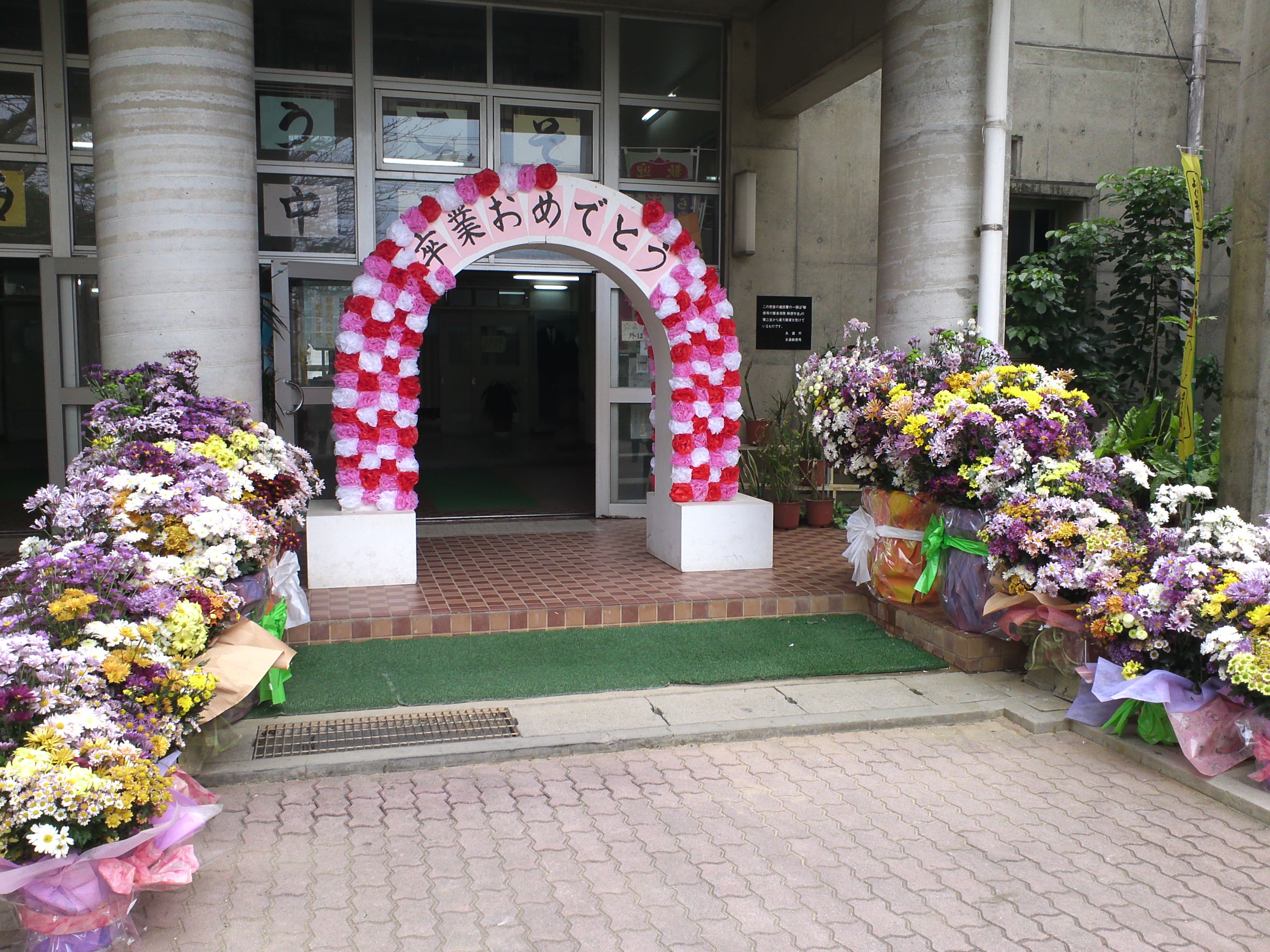
After making a bunch of tissue paper flowers with seventh graders, I went to take pictures of our results: beautiful flowers, both real and paper, decorating every part of school, including this school entrance.

Car Crashes, Teaching English, and Siblings

The sound of glass shattering and metal colliding caused me to run to the window this morning. It was so close, I though maybe somebody hit my tiny Japanese car. But it wasn’t until I climbed into my car, safely parked in my parking stall, and drove down the road I always drove on in the morning.

A car in front of me nearly crashed into my car as it backed up to avoid the crumbled pieces of two stopped cars at the light. The rest of the time I drove to the junior high school I worked at, tension settled into my bones. My imagination runs wild with certain observations, and sometimes, I experience imaginary things with such a visceral quality, I nearly shake with fright.

But I arrived at school very early in one piece and said, “Good morning” to all of the teachers. Working in the junior high school in Japan has made me switch the gears installed into my head through living in America for 25 years. In America, I jumped between the quiet me whenever I worked in a place dominated by white people because I didn’t want to confirm any stereotypes. Outside of work, I was a louder more free me.

In Japan, it’s different. I get to be closer to the free me, where my wings only hit the top of the Japanese societal rules, not the American ones. I can speak more honestly. The difference is the language barrier, but even that is shattered once a bridge is erected. The only real boundary in school I’ve found is having to speak English to students. With the staff and other teachers, I can switch between Japanese or English, depending on their level of understanding. Still, I don’t have to cover myself up because of my obvious skin color. Already being in the country is enough to start to break down stereotypes, preconceptions, and assumptions.

I think the students are interesting, to say the least. In the junior high school I currently work at, the students greeted me with varying tones of “Hello” and “Hi”. As I passed classrooms to get to class, I felt eyes follow me down the hall and surprised calls, “It’s Miss Jd!” Several students ducked past me after a quick “Hello!” and a wave of their hand. I always respond back with the same greeting.

The funniest moment today was when I finished at the junior high school almost thirty minutes from my home. I turned off my computer, put on my i-Pod, and walked up to the junior high school four minutes from my house. After I greeted several students, two girls from the volleyball club stopped to talk to me. Soon, we were laughing and giggling at what some Japanese TV stars said on their respective TV shows. Even though we didn’t fully understand each other (although I’m understanding more of what people say in Japanese), I could feel their carefree spirits come from their small bodies. It made me smile to know that even when people couldn’t understand the words you say, they could understand the meaning in your heart.

I felt more energized as I went on to talk to a few basketball players. Although the stop into the office was simply to write a few sentences of English for the English teachers, I quickly realized that there was more to do. I worked at my desk and the time floated by like a butterfly. It was past 7:30 PM when I finally talked to my Okinawan brother, Ayuta. I decided to adopt him as my “younger” brother on Monday during our weekly run to the sea. Today, we talked for nearly an hour after gobbling a kimchi rice ball (onigiri), just talking about our “twins”, or our best friends. It was always fun talking to him because he reminds me of my older brother so much. I think he keeps me sane when I start to really miss my brothers.

When I walked back home in the dark, the air was so quiet, I became afraid. In America, I hardly walked in the dark anywhere, and the feeling of silence in nature worries me. It means that there is something dangerous out there and even the birds quiet themselves to avoid it. But in Okinawa, the things that I’ve come to understand in America don’t apply here, and I am sometimes confused. I calmed myself down to enjoy the warm air, and when I arrived at my apartment, I realized how peaceful life was here.

I want to remain in this peace forever, but I know I won’t. Still, I love living, working, playing, and being here in Okinawa.