
I’m a big anime and manga fan. I try to put anime into anything I can: art projects, interior decorum, notebook doodles, anything really. Now that I’m an English teacher, I get to expand all things anime into a new area–the Japanese classroom.
You might be wondering, “How does Japanese animation work in a Japanese classroom with Japanese students?” Speaking English is the first step. Although most students don’t speak and understand English, they know their anime. Using words from the anime puts them on track to understanding something, anything.
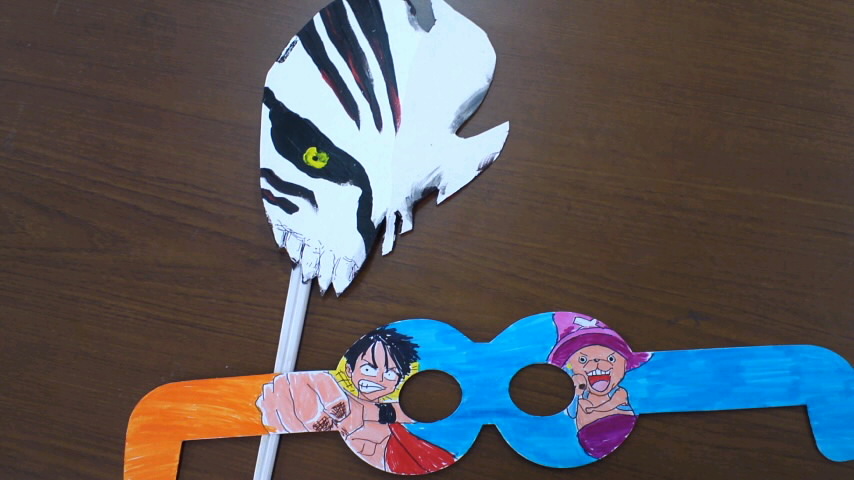
For example, I did a Halloween lesson about Venetian masks. I did a Venetian mask of Bleach’s Vizard mask. “The Vizards in Bleach have masks.” Maybe students will recognize the words “Vizards”, “Bleach”, and “masks”, and with the visuals, they can put two and two together. Plus, anime has become a medium for teaching, and students can relate to something within their generation. Already, most things in Japan have illustrative instructions, and you can see some recognizable mangaka’s work on something as mundane as hair dye. Bringing a little bit of their world into a class setting with English makes it all more relatable.
Even grammar lessons, like “Are you…” and “What is … doing this Saturday?” works wonders in getting the students to pay attention. I know for anime fans/English teachers like myself, I have fun with it every class lessons.
Art (芸術)

Art Helps More than Science
I graduated school as a double-major in art and sports medicine. Even though I spent most of my time doing my science work while art took a backseat, I don’t use science in the real world. As an English teacher, I don’t even need science-but I use my art training every day.
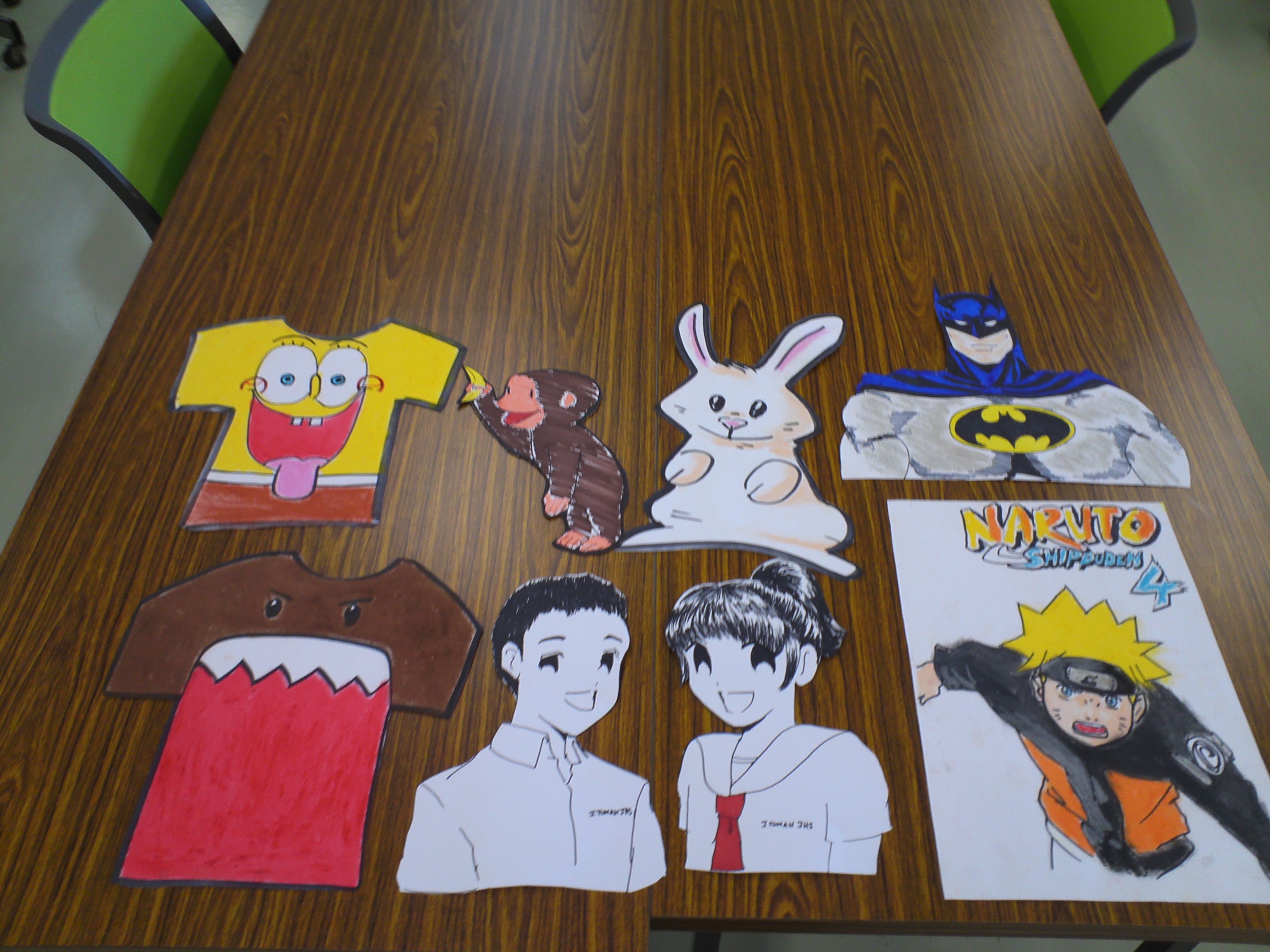
It’s not the ability to draw, as shown below, that makes art an asset in my life. Art goes beyond skill and touches the mind or the heart. In the mind, you learn how to create, dismantle, and improve all aspects of creativity within nature. It doesn’t have to be drawing, painting or sculpting, because creativity and creation don’t come from those skills. They’re a result, a way to combine two ideas together.
I use this kind of creativity to include culture and art into the lessons I help teach in Japan. The visual element peaks students’ interest and the characters become a reference point for students.
The images below are pieces I drew for one lesson, but I ended up drawing four more images for another lesson. “Are you a rabbit?”
“No, I am not.”
Being able to use art to teach “Are you…” makes me happy that I majored in something other than science.
Share this:

Experiment Bleach
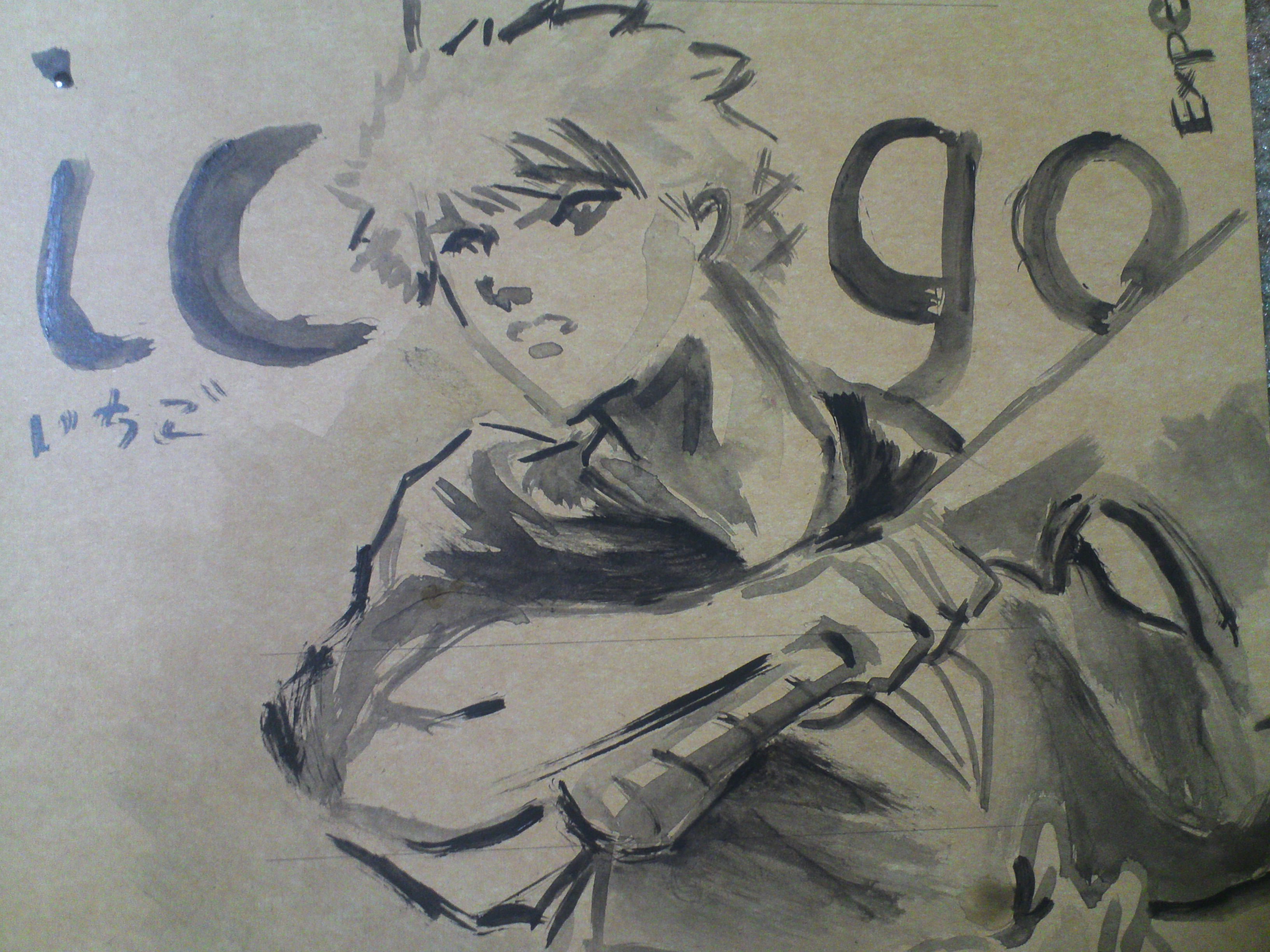
Experimenting with using watered down black acrylic paint for a simple Bleach sketch. I gave it to a 3年生, or third year student (9th grader), at the school I work at, and he freaked out! When I handed it to him, a whole bunch of his classmates surrounded him to look at it. When English class started, the folder got circulated around silently before he placed it on his desk and admired it for most of English class. When class ended, he held up the folder with both hands, went around class trying to figure out if he should post it somewhere, then returned to me and said “Thank you” in Japanese. He went back outside, showed some more students, then came back to me and repeated “Thank you” before showing some more kids. I was really surprised by his reaction, but I was also glad that he liked it so much!
Share this:

Psychologically Honest Drawing
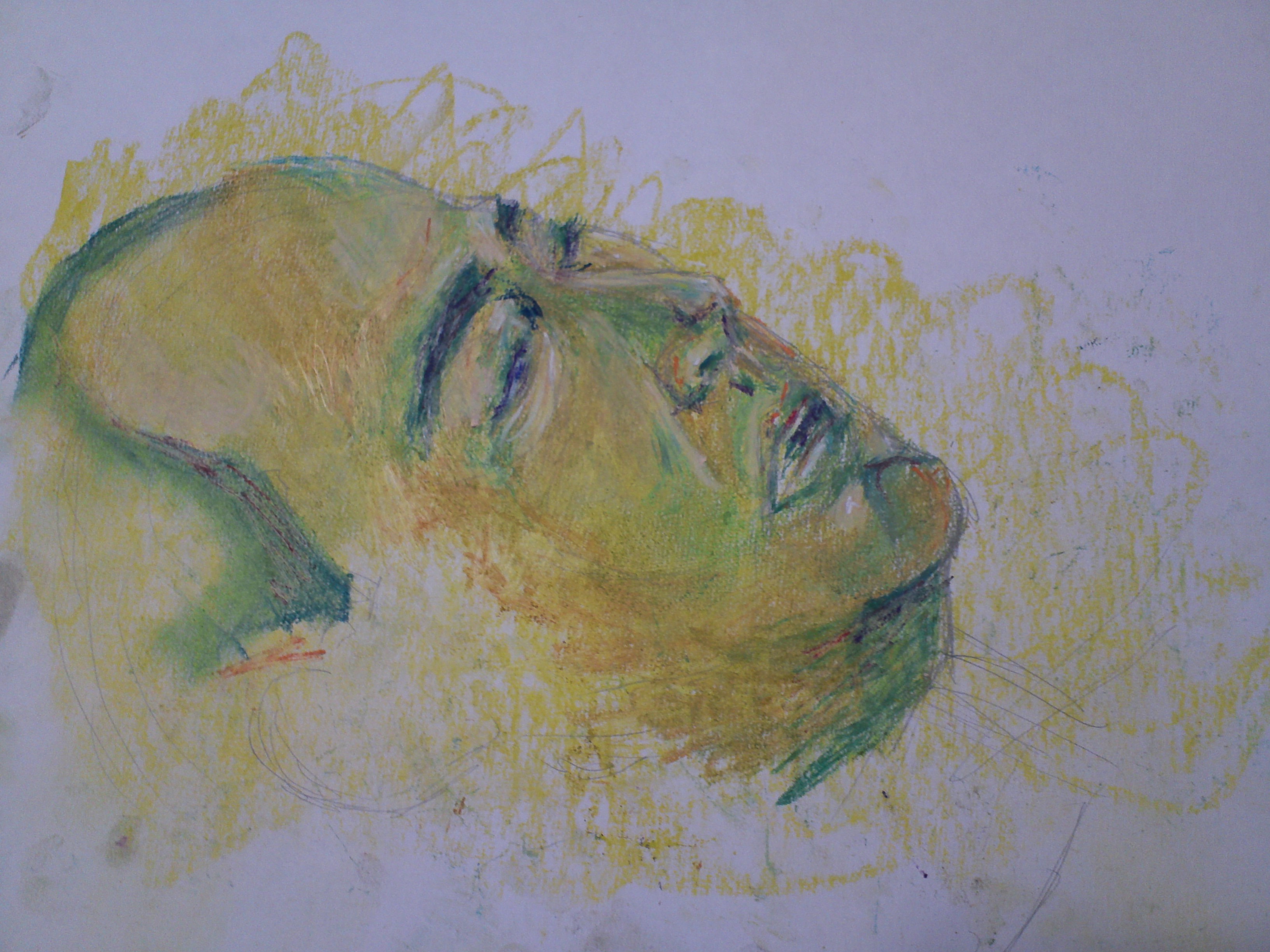
Drew my husband again but I used a darker pallet of oil pastels. It took under 50 minutes to draw.
Share this:

Sharpie Magic
My husband went crazy with some Sharpies.

Share this:

Drawing from Dormancy
Decided to draw a little bit with my husband!


 Jade's Escape