We spent our last day in mainland Japan enjoying the city festivities around Odawara castle. There’s nothing like going to a massive remnant of the past.
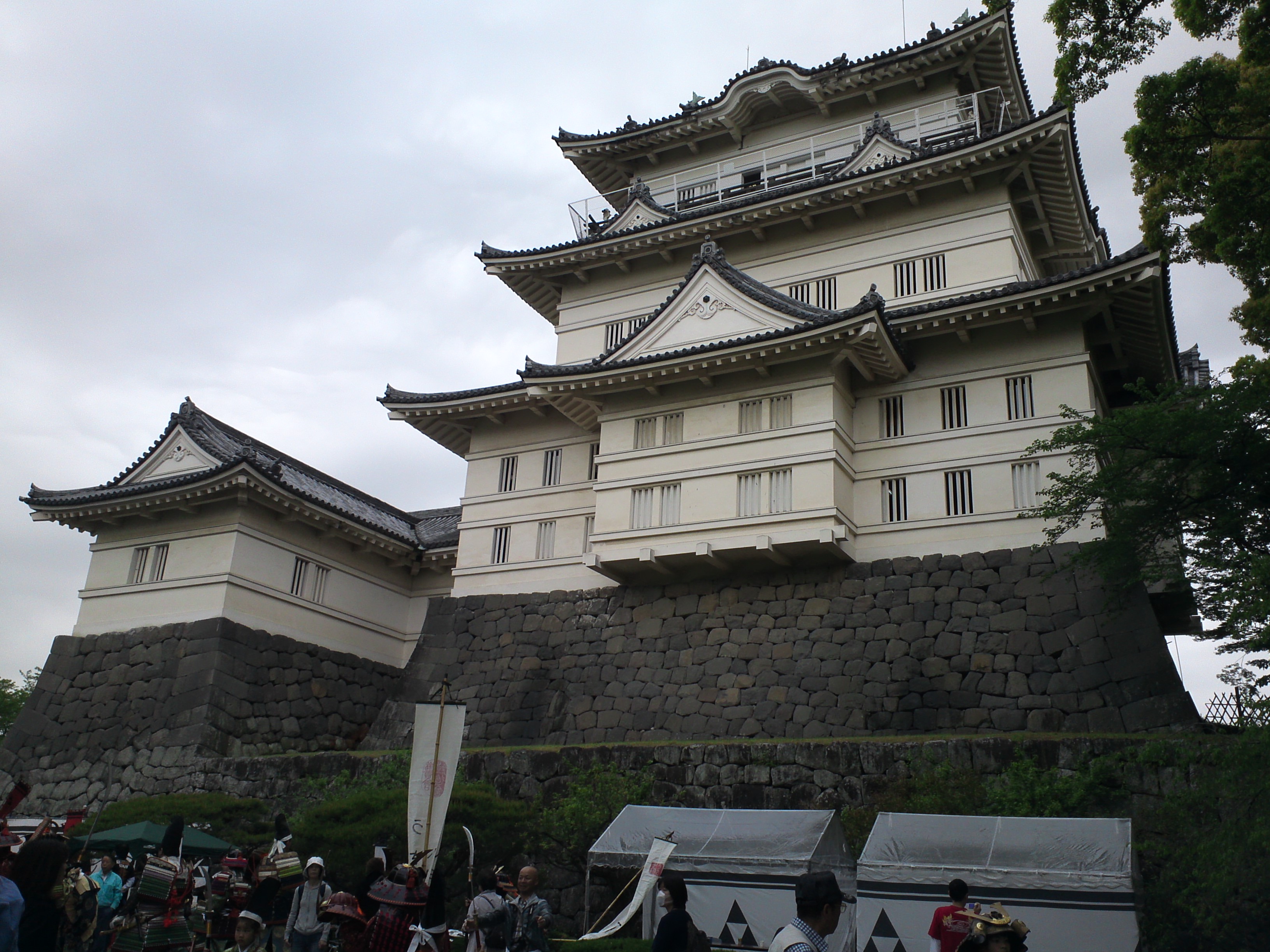

We spent our last day in mainland Japan enjoying the city festivities around Odawara castle. There’s nothing like going to a massive remnant of the past.

Right when we arrived at Odawara Station, we spotted some ninjas preparing for the Houkojou Festival, an Odawara celebration.

In Ginza, we could walk and sit in the middle of the streets between 8am to 8pm. Expensive stores like Gucci lined the streets. It felt like we crossed into some fairy land with the starting prices was 5000.


I’ve noticed that many food menus in Japan,especially bars or drinking places, don’t stick strictly to Japanese food or Asian food in general. You might find french fries (フライドポタト – fried potato) right next to the gyoza. Either way, you should try it!


My friends took us to Ginza to eat okonomiyaki, a kind of Japanese pancake or pizza. “Okonomi” means “favorites” (but not to be confused with “My favorite thing is…” in usage) and “yaki” means “baked” or “grilled”. It has so many ingredients in it, like noodles, cabbage, Japanese herbs, and shrimp, depending on the type you order. We ate the Osaka-style okonomiyaki, which is different from Hiroshimo-style okonomiyaki. It was delicious, but the best part was when the waiter put the mayonaise on every okonomiyaki we ordered. It was such a showmanship of skill, I had to share it!
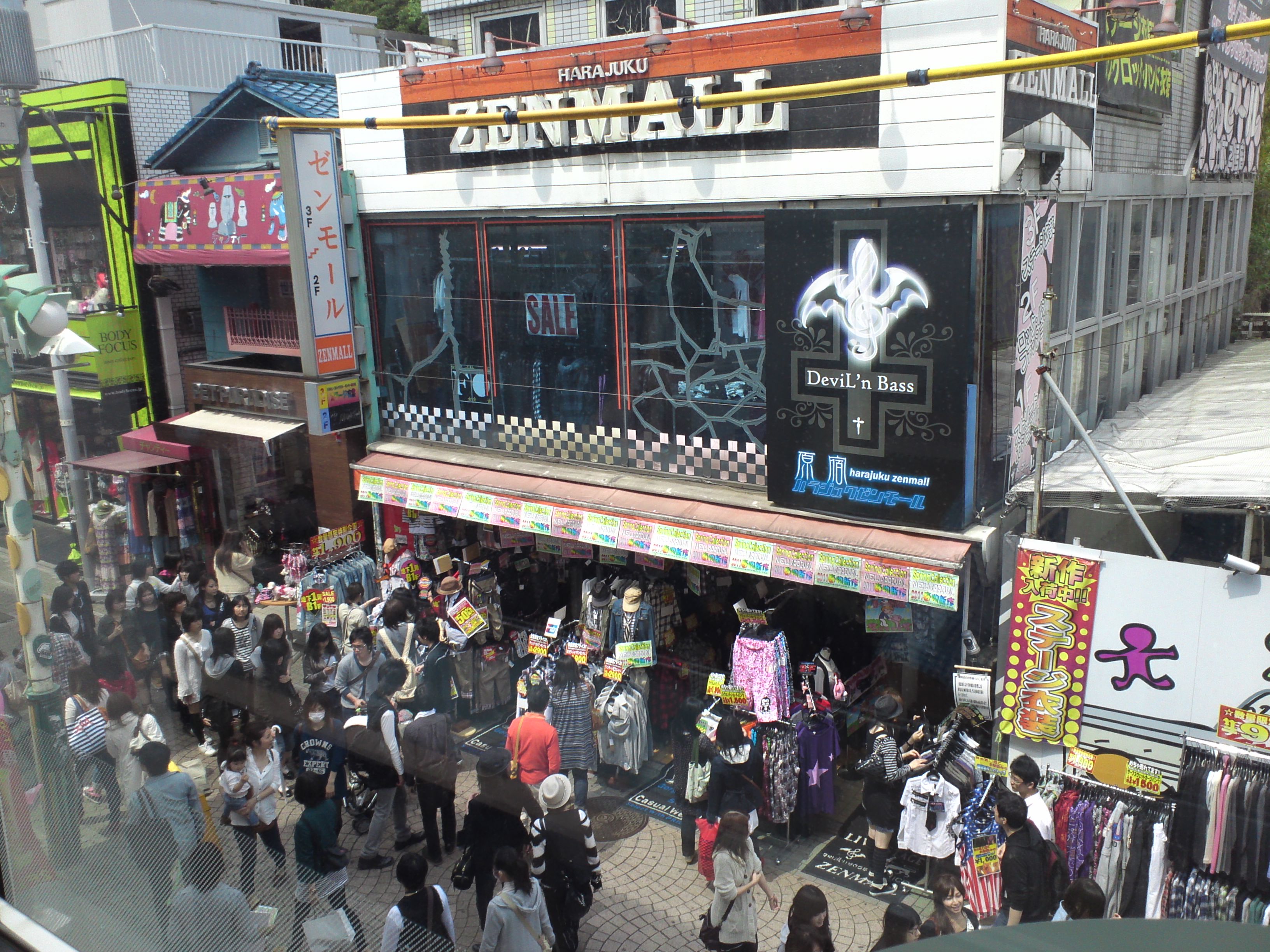
This is my 4th time to Harajuku and it’s not too busy. There are many sales because of Golden Week, a holiday week where most Japanese people go off on vacation to tourist spots. Maybe because of the earthquake, there are fewer foreigners around to clog the street.

Made it to Tokyo and now we’re eating a simple breakfast


After a tiring trip to the Immigration Office, my husband and I went to Kokusai-dori, or International Street, to find some gifts to bring to my host parents on mainland Japan. I had a craving for ice cream, or soft cream as they call it in Japan. We ended up going into a restaurant above an Okinawa omiyagi store of sweets. Of course, there was no restaurant name easily visible. It’s rather common to have to search for the name of the restaurant. I don’t know half the names of the many places I’ve eaten at. I wish I did, but at the same time, my mind is clicked into the location and landmarks of the restaurant, not its name, because there are no street names to go off of. The color of the place’s sign is more important than the name sometimes.
But I’m starting to notice how names aren’t pushed into your face all of the time here. It’s a relief not seeing its name plastered to a wall at eye level as you’re shoveling food into your mouth.
I really enjoyed this chocolate ice cream sundae with cookies, Pocky, fruit, whipped cream, cornflakes, and nuts!


Okinawa has come into the spring season. I have heard, “Spring has come,” but it has a different meaning in Japan than just blossoming flowers and warmer weather.
One of my friends from school told me that when a girl or boy got into a relationship, people would say this phrase. It’s the equivalent of “S/He is taken.”

I absolutely love Indian food. There’s this misconception with Indian food: it’s spicy. But in learning about Japanese tastebuds, “spicy” Indian food wouldn’t make it in Japan.
Still, at an Indian restaurant my husband and I went to on Kokusai-dori in Naha City called Nanak, there were options for spicy food but it didn’t readily come with it. The strong flavor in Indian food-tasting the fullness of curry and other seasonings- was deep in the dish. Just a small amount of chicken and eggplant curry, and potato nan with chicken and seasoned meats, was enough to fulfill our appetites. The nan was so delicious, I preferred it to the plain white rice with the curry. Thankfully, the food we ate wasn’t too heavy, since we had a lot of walking to do, but it was just enough. The price was a bit steep-almost 3000 for both of us-however, it was worth it.
I don’t know the name of this restaurant. Like many whole-in-the-wall businesses in Japan, this yellow-signed, basement level restaurant’s name was the last thing on my mind. Only its good food that was made by Nepal cooks still exists in my mind.


My husband got a job in economy-stricken Okinawa, and ironically, getting the job was the easiest. It took him literally 24 hours from hearing about the job to getting the application to going to the interview to getting the job. Along with the acceptance, they asked for a kenko shindan (けんこしんだん) or a physical exam before processing him for an education visa.
The recommendation that my coworker gave me was the Adventist Medical Center because they have an English speaking staff. But we got SUPER lost-maybe for 2 hours-before we found the place. It’s in instances like this where I wish Japan had street names and Google might actually work.
To find places, you normally have to find landmarks and big intersections. The worst part is when you get lost. The streets don’t circle back so you further get lost. Plus, getting directions over the phone is a bit difficult unless they know the area well. All in all, you can’t blame anyone if you get lost. Why? Because they don’t have street names.
During my free time at school, I try to make drawings using pastels so I can keep my drawing mind from deteriorating. This is a drawing from an orchid. It took me about 30 minutes to draw.


Yup, my husband and I stumbled across a can of whale meat at our local supermarket. It’s less than 500.


My husband and I were invited to a nomikai, or drinking party, for my office, and my coordinator showed us how to make penguins out of our wet napkins. My husband exclaimed, “Ah, the three amigos!” before we explained to my confused coordinator what it meant.
It was a fun party. Unlike American office parties, Japanese office parties normally has tons of alcohol and not the weak kind either. There’s premium beer, sake, and owamori, a strong Okinawan alcohol that holds a candle to vodka or tequila. Most Japanese people can nurse these liquors without doing any gross or sightly damage. My husband, being a newcomer to all things Japanese, was impressed with their drinking and eating ability.
What impressed the both of us was when my coordinator told us more about the Okinawan people. “We focus more on relationships here. You can’t buy friendship.” That’s something I’ll always remember. Well, that and the three amigos.


My husband and I went to yakiniku, loosely translated as “baked meat”, and cooked meat over a hot yet calm grill in the center of the table.
Of course, the first time I went to a yakiniku restaurant, I instantly realized that many of the Naruto characters did the same thing.

Naruto and his friends eating yakiniku
The waiters delivered platters of seasoned slices of meat and we cooked it on the grill. My husband is now addicted to yakiniku!


Drew my husband again but I used a darker pallet of oil pastels. It took under 50 minutes to draw.


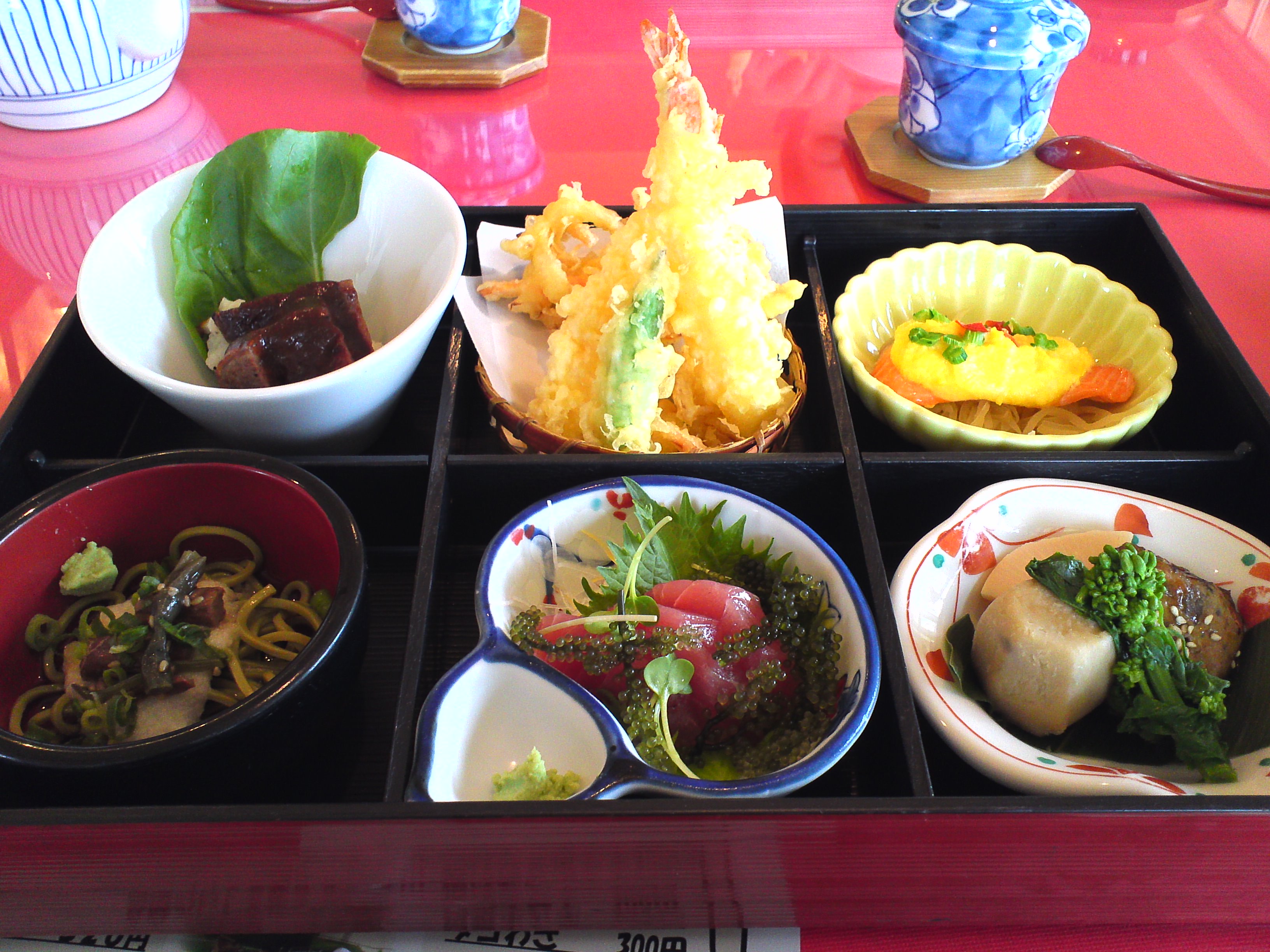
There weren’t any classes today, but I was scheduled to go to school anyways. At lunch, instead of eating kyuushoku, or school provided lunch, I tagged along with a few teachers. We arrived at what looked like a country club.
“It’s a golf club,” the head English teacher said before we stepped into an expansive foyer flanked with a large jade piece and an impressive ivory piece. The teacher told me that the golf club had a good restaurant, so you didn’t need to play golf to eat there.
The food was great! They served us traditional Japanese food filled with tempura, sashimi, and soba in beautiful traditional dishes. I think one thing about Japanese food presentations and American food presentations is that color is more important in Japanese dishes.
My mother–a seasoned cook, former caterer, perpetual culinary student, and a registered dietitian–always toned down the colors. Even my cooking friends only keep two colors or sometimes three to make the meal more functional. With Japanese food, there’s a break from keeping with the same tone in presentation, and it’s not just in a piece of parsley.
Because of the way Japanese foods look, I normally have my camera phone on hand to capture the arrangement before they disappear.

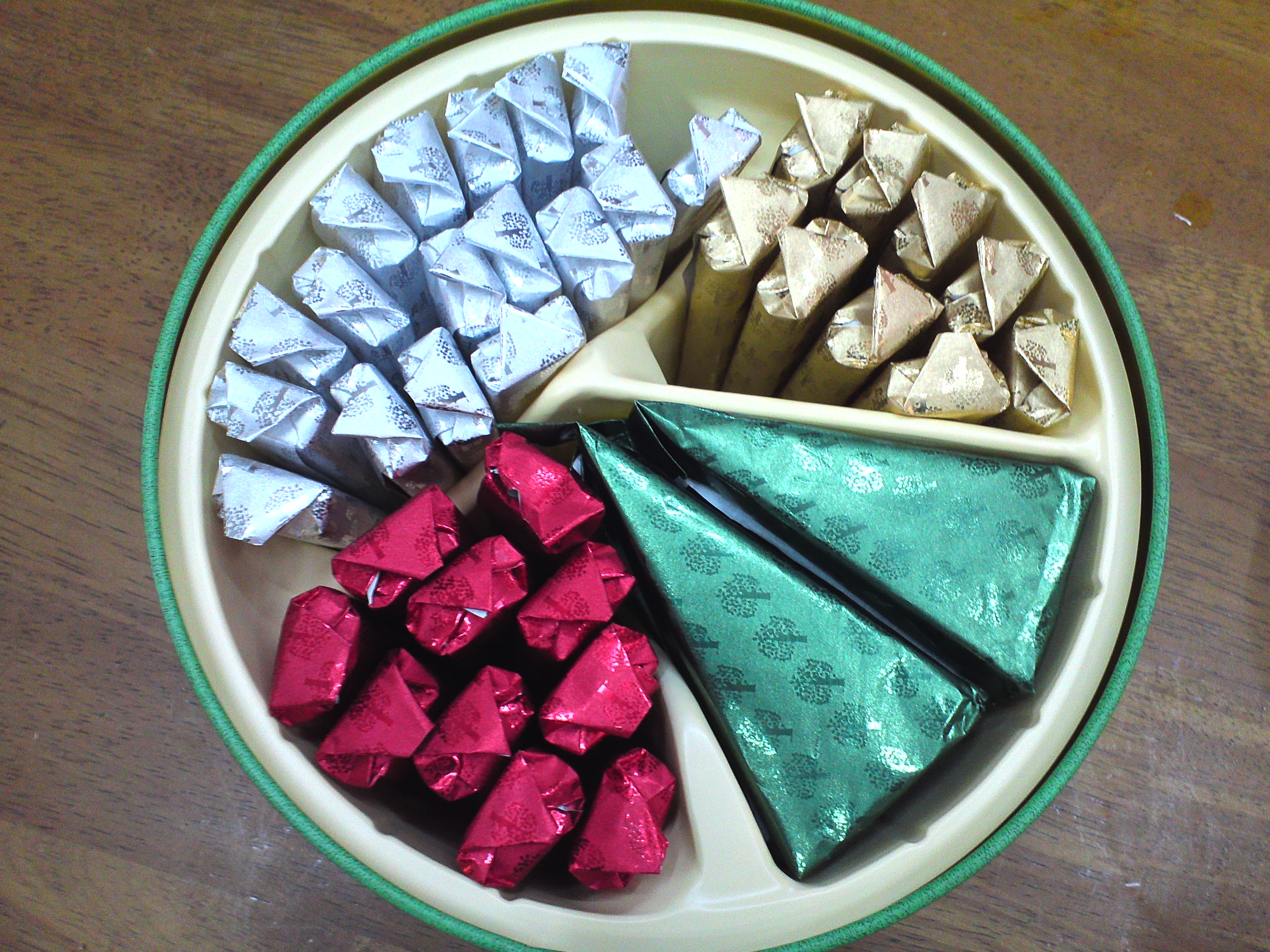
I absolutely love Japanese sweets! They concentrate more on flavor than sugar. Plus, they are packaged very beautifully!

My husband went crazy with some Sharpies.


Decided to draw a little bit with my husband!


 Jade's Escape